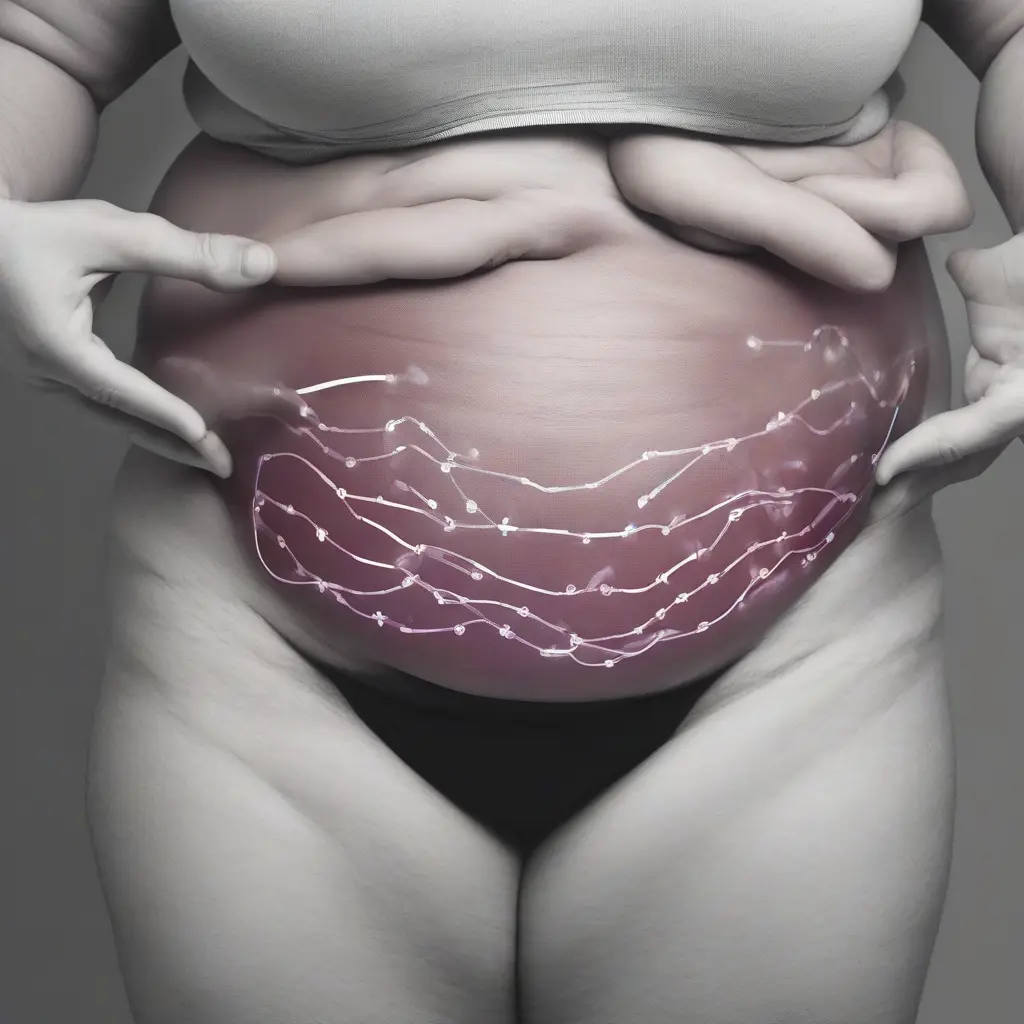
Spot reduction is a common myth in fitness, leading many to believe that targeting specific body areas can lead to fat loss in those areas. This article dives into why spot reduction doesn’t work, particularly for stubborn belly fat. Understanding the science of fat loss is crucial for anyone looking to slim down. We will explore how overall fat loss occurs in the body and provide effective strategies to promote weight loss, debunk the myth of spot reduction, and ultimately guide individuals towards achieving their health goals.
What Is Spot Reduction?
Spot reduction refers to the idea that individuals can lose fat specifically in targeted areas of their body through exercises focusing on those areas. For example, some believe doing endless crunches will eliminate belly fat. This belief is widespread but fundamentally flawed. Fat loss is a systemic process influenced by various factors, including diet and hormones, rather than just localized exercises. The body decides where to draw energy from during weight loss, which undermines the notion that one can dictate specific fat loss through targeted exercises.
The Science Behind Fat Loss
Understanding fat loss requires a grasp of how the body utilizes energy. When the body needs fuel, it taps into stored fat, which occurs throughout the body rather than in isolated localities. This means that regardless of how many exercises targeting a particular muscle group one performs, the fat reduction will occur more broadly. Fat cells release their stores into the bloodstream, where they can then be used for energy, leading to overall weight loss rather than localized fat reduction.
Belly Fat: A Unique Challenge
Belly fat, or visceral fat, is particularly challenging to lose because it is often resistant to diet and exercise. It is influenced by various factors, including genetics, hormones, and lifestyle choices such as dietary habits and stress levels. This type of fat surrounds internal organs, affecting health significantly. Thus, focusing only on the belly area with exercises may not yield visible fat loss in that region, further reinforcing the ineffectiveness of spot reduction techniques.
Importance of Overall Fat Loss
Focusing on overall fat loss is crucial for health and wellness. When individuals adopt a comprehensive approach, they’re more likely to see improvements across their entire body, including stubborn areas like the belly. This can involve a combination of a healthy diet, regular cardiovascular exercise, and strength training. By burning calories and building muscle, one can create a caloric deficit that promotes fat loss throughout the body, including areas where fat seems to cling more stubbornly.
Effective Strategies for Fat Loss
Adopt a well-rounded fitness routine that incorporates both strength training and aerobic exercises. A balanced diet rich in whole foods, lean proteins, and plenty of fruits and vegetables also plays an integral role. Furthermore, ensuring adequate hydration and sufficient sleep contributes significantly to effective weight management. These practices together create a synergy that enhances overall fat loss, rather than just focusing on the common misconception of targeting specific areas.
The Myth of Targeted Workouts
Targeted workouts, like performing many sit-ups to reduce belly fat, can build muscle in that area but won’t lead to fat loss specifically from there. Muscle growth can occur without a corresponding decrease in fat, particularly if one’s overall caloric intake is not appropriately managed. Therefore, while muscle tone can improve through these exercises, they should form part of a holistic approach to fitness that includes caloric awareness and overall fat reduction efforts.
The Role of Nutrition
Nutrition plays a vital role in fat loss and overall health. Consuming a balanced diet that limits processed foods and added sugars can help manage body fat. Incorporating healthy fats, fibers, and lean protein sources can foster satiety, reducing overall calorie consumption. Understanding macronutrients and how they affect one’s body can empower individuals to make better dietary choices, enhancing their weight loss efforts and promoting wellness in the long run.
The Impact of Stress on Fat Loss
Stress can significantly hinder fat loss efforts, particularly in the abdominal region. When stress levels rise, the body produces cortisol, a hormone that can lead to increased fat storage in the belly. Managing stress through techniques such as mindfulness, meditation, or regular physical activity can support fat loss efforts. Understanding this relation further highlights that effective fat loss is not just about exercise and diet; it’s a holistic approach encompassing mental and emotional wellness.
The Importance of Consistency
Consistency is vital for any weight loss journey. It’s not only about periodically engaging in dietary changes or exercise routines but rather about making sustainable lifestyle adjustments. Long-term commitment to a healthy lifestyle yields more significant results than attempting quick fixes. Creating a daily routine that includes balanced meals and regular physical activity can aid in establishing habits that contribute to lasting fat loss and overall health improvement.
Conclusion
In conclusion, spot reduction is a widely held myth that fails to recognize the complexities of fat loss. By adopting a holistic approach focusing on overall fat reduction through a balanced diet, regular exercise, stress management, and consistency, individuals can achieve their health goals. Understanding that targeted workouts alone won’t lead to localized fat loss empowers people to focus on effective strategies that promote sustainable weight management.