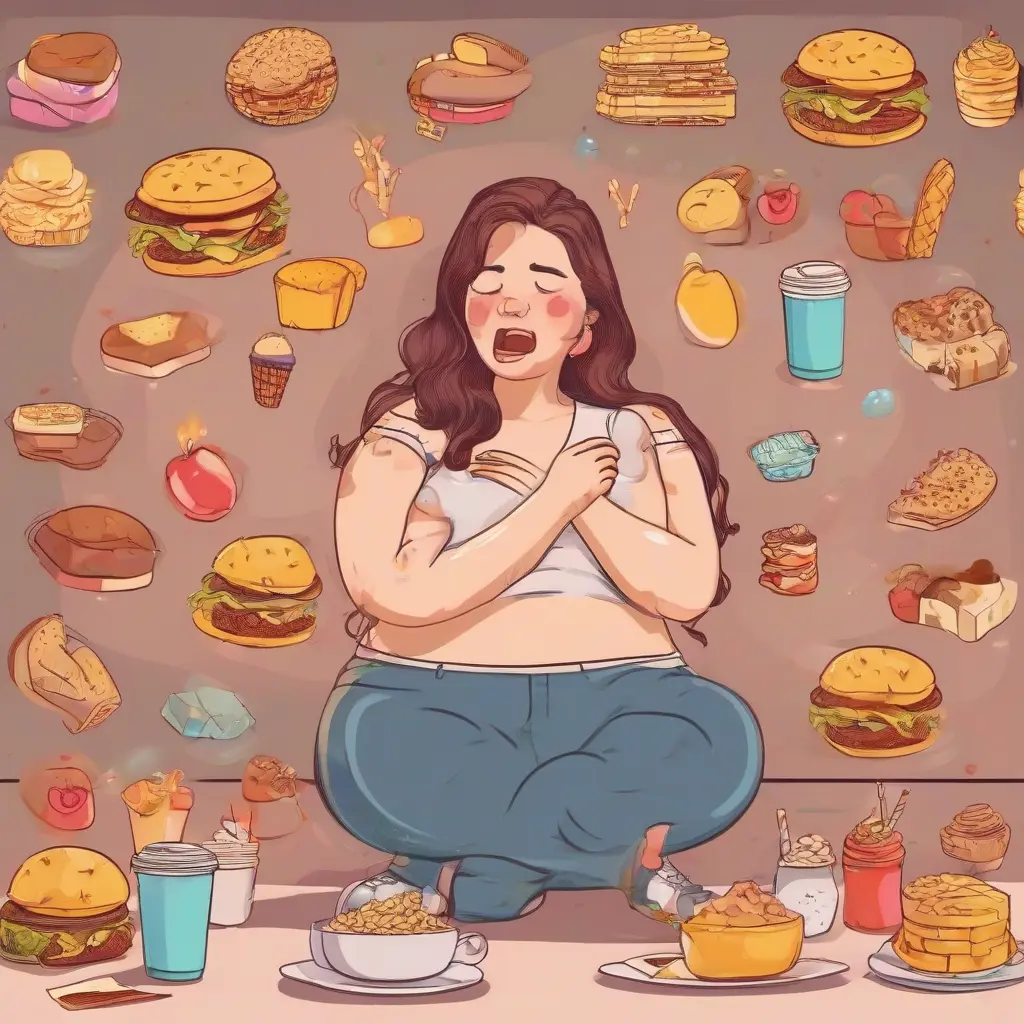
Emotional eating is a common experience for many individuals, often leading to unhealthy eating patterns and weight gain, particularly around the belly area. Stress, anxiety, and boredom can trigger these behaviors, prompting people to turn to food for comfort rather than nutritional needs. As a result, excess calories consumed during emotional eating can accumulate as belly fat, posing health risks. This article delves into the impact of emotional eating on belly fat and provides practical tips for managing emotions in healthier ways.
What is Emotional Eating?
Emotional eating refers to the practice of consuming food in response to feelings rather than hunger. It often involves reaching for comfort foods during stressful or emotional situations. Instead of eating to nourish the body, individuals may find solace in these foods, which are typically high in sugar and fat. This behavior can create a vicious cycle, where emotional triggers lead to overeating, resulting in guilt and shame, further perpetuating the emotional connection with food.
The Science Behind Emotional Eating and Belly Fat
Research indicates that emotional eating can significantly contribute to the accumulation of belly fat. When stress or negative emotions arise, the body releases cortisol, a hormone that increases appetite and cravings for high-calorie foods. Moreover, these foods can lead to weight gain, particularly in the abdominal area, which is linked to various health issues, including diabetes and heart disease. Understanding this connection is crucial in managing weight and fostering healthier eating habits.
Common Triggers of Emotional Eating
Several triggers can lead to emotional eating, including stress, loneliness, boredom, and even celebration. Stressful situations often prompt individuals to seek out food as a coping mechanism, while feelings of loneliness or boredom can lead to mindless snacking. Additionally, celebratory occasions can encourage overeating as a form of enjoyment. Identifying these patterns can help individuals develop awareness and strategies to manage their emotions without turning to food.
The Role of Mindfulness in Controlling Emotional Eating
Mindfulness can play a pivotal role in controlling emotional eating by encouraging individuals to be present and aware of their thoughts and feelings. Practicing mindfulness techniques, such as meditation or deep breathing exercises, can help individuals recognize their emotional triggers and the physical sensations associated with hunger. By cultivating mindfulness, individuals can develop a healthier relationship with food, allowing for more conscious eating choices rather than impulsive responses to emotions.
Developing Healthy Coping Mechanisms
Instead of resorting to food during emotional distress, developing healthy coping mechanisms is essential. Engaging in physical activity, pursuing hobbies, or spending time with loved ones can provide positive outlets for emotional expression. Journaling can also be an effective tool for processing feelings, allowing individuals to gain insight into their emotions and reducing the urge to indulge in emotional eating. These alternatives promote overall well-being and can help curb the cycle of unhealthy eating.
Impact of Nutrition on Emotional Well-Being
Nutrition plays a significant role in emotional well-being and can either mitigate or exacerbate feelings of stress and anxiety. Consuming a balanced diet rich in whole foods, including fruits, vegetables, whole grains, and lean proteins, can support brain health and stabilize mood. On the contrary, diets high in sugar and processed foods can lead to fluctuations in mood and energy levels. By prioritizing nutritious options, individuals can positively influence their emotional health and reduce the tendency for emotional eating.
Creating a Supportive Environment
A supportive environment can greatly influence eating behaviors and emotional responses. Surrounding oneself with positive influences, such as supportive friends and family members, can provide encouragement during challenging times. Additionally, making healthy food choices readily available can help minimize temptation. On the other hand, reducing exposure to unhealthy snacks and stressors can create a more conducive space for managing emotions without relying on food.
The Importance of Seeking Professional Help
For some individuals, emotional eating may be deeply rooted in psychological issues that require professional assistance. Therapy, such as cognitive-behavioral therapy (CBT), can offer strategies to address underlying emotional triggers and change unhealthy eating patterns. Consulting with a registered dietitian can also provide personalized guidance on nutrition and emotional eating. Seeking professional help is a vital step for those struggling with emotional eating to regain control over their relationship with food.
Tools and Apps for Tracking Eating Habits
Utilizing tools and apps for tracking eating habits can be beneficial in addressing emotional eating. Many applications allow users to log their meals and emotions, helping to identify patterns and triggers. By reviewing this data, individuals can gain insights into their eating behaviors and emotional responses, which can facilitate more mindful decision-making. These tools offer a practical approach to managing emotional eating and promoting accountability.
Conclusion
Emotional eating significantly impacts belly fat and overall health, making it essential to recognize and address the underlying causes. By adopting mindfulness practices, developing healthy coping mechanisms, and creating a supportive environment, individuals can manage their emotional triggers more effectively. Additionally, professional support can offer valuable guidance to establish a healthier relationship with food, ultimately leading to better weight management and well-being.