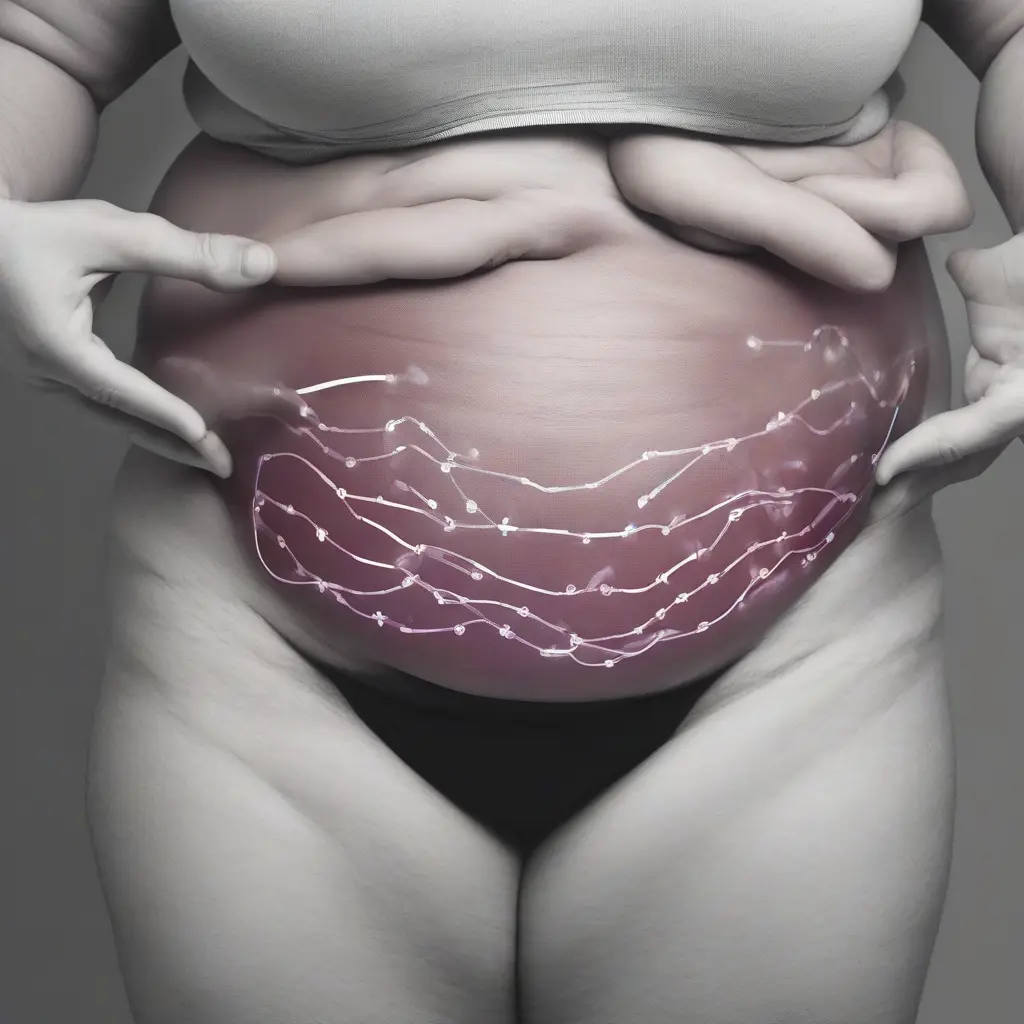
Reducing belly fat is a common goal for many individuals seeking a healthier lifestyle. Understanding the body composition changes that accompany this process is essential for anyone aiming to achieve long-term results. Belly fat, particularly visceral fat, poses various health risks, making its reduction a priority. This article delves into the factors influencing belly fat reduction, the importance of monitoring body composition, and effective strategies to facilitate positive changes in body fat percentage and overall health.
What is Body Composition?
Body composition refers to the proportion of fat and non-fat mass within the body. Understanding this composition is vital in the context of belly fat reduction, as it helps differentiate between muscle, fat, bone, and water weight. Fat mass includes both subcutaneous fat, located just under the skin, and visceral fat, which wraps around internal organs. Monitoring these proportions can provide insight into your health status and assist in creating effective weight loss strategies. Knowledge of body composition can help individuals set realistic goals and track progress more accurately during their fat reduction journey.
The Role of Visceral Fat in Health
Visceral fat, which accumulates around the abdominal organs, is associated with numerous health risks including diabetes, heart disease, and metabolic syndrome. Unlike subcutaneous fat, which is more visible, visceral fat is often referred to as ‘hidden’ fat and can significantly affect overall health, even in individuals with a normal weight. Understanding the dangers of visceral fat underscores the importance of targeting belly fat reduction methods specifically. Reducing this type of fat can lead to improved insulin sensitivity, lowered cholesterol levels, and a reduced risk of developing chronic health conditions.
Factors Influencing Body Composition Changes
Several factors influence body composition changes during belly fat reduction efforts. Genetics, age, hormones, and lifestyle choices all play significant roles. For instance, age-related hormonal shifts can affect fat distribution, often leading to increased abdominal fat. Additionally, lifestyle factors like diet quality, exercise frequency, and sleep patterns can dramatically impact body composition. Understanding how these factors interact can empower individuals to implement effective changes tailored to their unique situations, enhancing the likelihood of successful belly fat reduction.
Measuring Body Composition: Effective Methods
Accurately measuring body composition can provide valuable insights during the belly fat reduction process. Several methods available include bioelectrical impedance analysis (BIA), dual-energy X-ray absorptiometry (DEXA), and skinfold measurements. Each method has its advantages and disadvantages concerning convenience, cost, and accuracy. For instance, DEXA scans provide highly precise results but may not be readily accessible to everyone. Regular tracking using accessible methods can help maintain motivation and allow individuals to see the impact of their efforts on body fat percentage and muscle mass.
Importance of Nutrition in Fat Reduction
Nutrition plays a crucial role in belly fat reduction and body composition changes. Adopting a balanced diet rich in whole foods, lean proteins, healthy fats, and fiber is essential. This approach helps create a calorie deficit, necessary for fat loss, while also providing the nutrients required for muscle retention and overall health. Moreover, understanding macronutrient ratios, such as the right balance of carbohydrates, proteins, and fats, can further optimize body composition. Implementing mindful eating practices can also encourage healthier choices, aiding in effective fat reduction strategies.
Physical Activity and Its Impact
Engaging in regular physical activity is vital for successful belly fat reduction and body composition changes. Both aerobic and resistance training exercises contribute to fat loss and muscle preservation. Aerobic exercises, like running or cycling, help burn calories, while resistance training promotes muscle growth, which can boost metabolism. Incorporating a combination of both types of workouts along with flexibility training can enhance overall fitness and support body composition goals. Establishing a consistent exercise routine is key to maximizing the effectiveness of belly fat reduction efforts.
The Psychological Aspect of Belly Fat Reduction
The psychological component of belly fat reduction cannot be overlooked. Emotional eating, body image concerns, and motivation levels can significantly influence one’s ability to adhere to diet and exercise plans. Building a positive mindset and self-efficacy is crucial for maintaining progress. Setting realistic, short-term goals, celebrating small achievements, and seeking support from friends or professionals can foster a healthier relationship with food and body image. Understanding these psychological challenges can enhance the effectiveness of belly fat reduction strategies and lead to sustainable lifestyle changes.
Common Myths About Belly Fat Reduction
There are numerous misconceptions surrounding belly fat reduction that can hinder progress. One common myth is that spot reduction is possible, meaning one can target fat loss from specific areas of the body through targeted exercises. In reality, fat loss occurs throughout the body, not in isolated regions. Another misunderstanding is that all carbohydrates are detrimental to weight loss. In truth, choosing complex carbs over simple sugars can support healthier fat loss strategies. Dispel these myths with accurate information to create a more effective approach to belly fat reduction.
Long-Term Maintenance of Body Composition
Maintaining body composition changes over the long term requires ongoing commitment to a healthy lifestyle. Once belly fat reduction goals are achieved, it is critical to establish sustainable habits to prevent weight regain. Continuing with balanced nutrition, regular exercise, and mindful eating will help preserve hard-earned changes. Additionally, periodic monitoring of body composition can assist in identifying any shifts and addressing them promptly. Developing an adaptive mindset towards health can make it easier to navigate challenges and sustain a healthy weight in the long run.
Conclusion
Understanding body composition changes during belly fat reduction is vital for effective weight management and overall health. By comprehensively addressing nutrition, exercise, psychological factors, and common misconceptions, individuals can create a holistic approach to achieving their goals. Focusing on sustainable lifestyle changes will not only contribute to reducing belly fat but also promote lasting health benefits and improved quality of life.