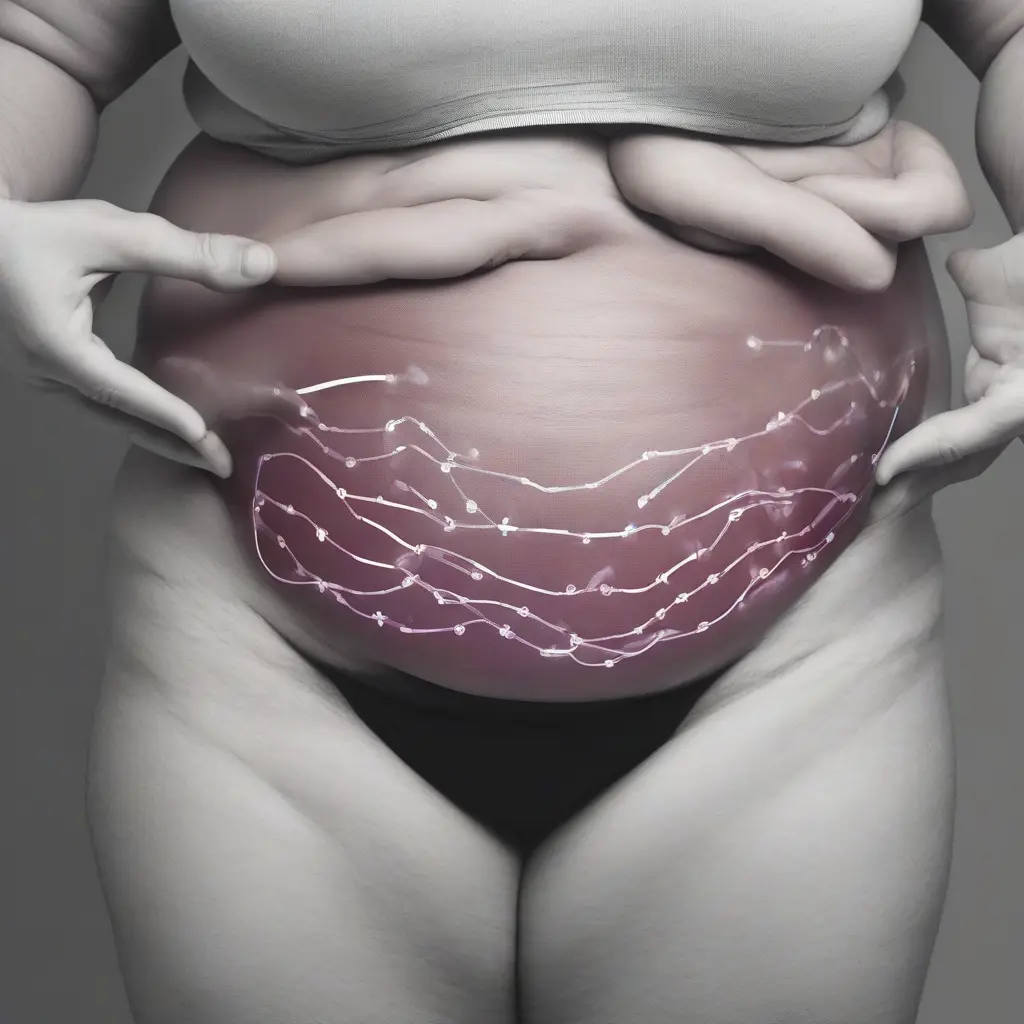
Intermittent fasting (IF) has surged in popularity as a viable method for weight management and fat reduction, particularly around the belly area. This eating pattern alternates between periods of fasting and eating, which can trigger beneficial metabolic changes in the body. By understanding the science behind these processes, individuals can better grasp how intermittent fasting facilitates belly fat reduction and overall health improvements. This article delves into the mechanisms involved, the hormonal impact, and practical tips for integrating intermittent fasting into daily routines.
Understanding Intermittent Fasting
Intermittent fasting is not about specific foods but rather a schedule of eating. Common methods include the 16/8 method, where an individual fasts for 16 hours and eats during an 8-hour window, and the 5:2 method, which involves consuming a very low calorie intake for two non-consecutive days of the week. These approaches help individuals regulate their caloric intake without counting every calorie consumed. The focus on when to eat rather than what to eat can simplify dietary change and encourage adherence to healthier habits over time.
The Role of Insulin in Fat Storage
Insulin plays a critical role in how the body stores and burns fat. When we eat, insulin levels rise to help manage blood sugar levels. However, frequent eating can lead to chronically elevated insulin levels, which promotes fat storage, particularly in the belly area. Intermittent fasting reduces insulin levels, allowing the body to tap into stored fat for energy. This shift in hormone levels can significantly contribute to fat loss, especially visceral fat, which is often linked to various health issues.
Hormonal Changes During Fasting
During fasting periods, several hormonal changes occur that facilitate fat loss. Notably, levels of human growth hormone (HGH) and norepinephrine increase, promoting fat breakdown and improving overall body composition. Elevated HGH levels support muscle retention while burning fat, crucial during weight loss efforts. Furthermore, fasting can decrease hunger hormones like ghrelin, making it easier to stick to lower caloric intake without feeling deprived or overly hungry, which can enhance adherence to weight loss goals.
Metabolic Benefits of Intermittent Fasting
Intermittent fasting leads to enhanced metabolic efficiency, allowing individuals to burn fat more effectively. During the fasting state, the body shifts from using glucose as its primary fuel source to utilizing fat stores. This metabolic switch not only helps in reducing body fat but may also improve insulin sensitivity, reducing the risk of diabetes and metabolic syndrome. Additionally, many studies suggest that intermittent fasting can lead to overall reductions in body weight, body fat percentage, and waist circumference, indicating its effectiveness in targeting belly fat.
Effects of Intermittent Fasting on Appetite Regulation
Research indicates that intermittent fasting can help regulate appetite and cravings, making it easier to maintain a caloric deficit. By consolidating eating periods, individuals often experience reduced overall caloric intake without the need for drastic changes to food choices. This approach can lead to a more sustainable lifestyle change, helping belly fat reduction efforts. Additionally, some studies suggest that intermittent fasting may alter brain function related to hunger and fullness signals, thereby promoting healthier eating behaviors.
Potential Challenges of Intermittent Fasting
While intermittent fasting has numerous benefits, it may pose challenges for some individuals, especially during the initial adjustment period. Hunger, irritability, and low energy levels can be common as the body adapts to this new eating pattern. Additionally, social situations and family meals can present obstacles, making adherence difficult. To overcome these challenges, it may be beneficial to gradually ease into intermittent fasting rather than making sudden changes. Consulting with a healthcare professional can also provide guidance tailored to individual health needs and concerns.
Incorporating Intermittent Fasting into Your Lifestyle
Successfully incorporating intermittent fasting into one’s lifestyle requires understanding personal schedules and preferences. Individuals can begin by determining their most suitable fasting method, considering work, social activities, and individual energy levels. Meal planning and preparing balanced, nutrient-rich meals can aid in maximizing the benefits of intermittent fasting. It’s crucial to stay hydrated during fasting periods and to focus on wholesome foods during eating windows to ensure nutritional adequacy while working towards belly fat reduction.
Complementing Intermittent Fasting with Exercise
Integrating exercise with intermittent fasting can enhance fat loss and overall health. Engaging in regular physical activity, such as strength training or cardiovascular exercises, can complement the metabolic benefits of fasting. Exercise increases calorie expenditure and supports muscle preservation during weight loss. Timing workouts around fasting schedules may also help maximize fat-burning effects. However, individuals should listen to their bodies and adjust the intensity and timing of workouts based on their energy levels and fasting protocols to optimize performance and recovery.
Scientific Evidence on Intermittent Fasting and Weight Loss
Multiple studies support the efficacy of intermittent fasting for weight loss and fat reduction. Research shows that individuals practicing intermittent fasting experience significant reductions in body weight, fat mass, and waist circumference. A systematic review highlighted that those following intermittent fasting protocols often achieve greater fat loss compared to traditional continuous caloric restriction. These findings emphasize the potential of intermittent fasting not only for losing weight but also for promoting fat loss concentrated around the abdomen, contributing to improved health profiles.
Conclusion
Intermittent fasting is a scientifically supported method for reducing belly fat and improving overall health. Through metabolic changes that promote fat burning, hormonal adjustments that regulate appetite, and the simplicity of its approach, IF can lead to significant weight management benefits. While the process may come with challenges, integrating intermittent fasting with a balanced diet and regular exercise can foster sustainable results. Individuals considering this lifestyle should approach it mindfully and in alignment with their personal preferences and health goals.