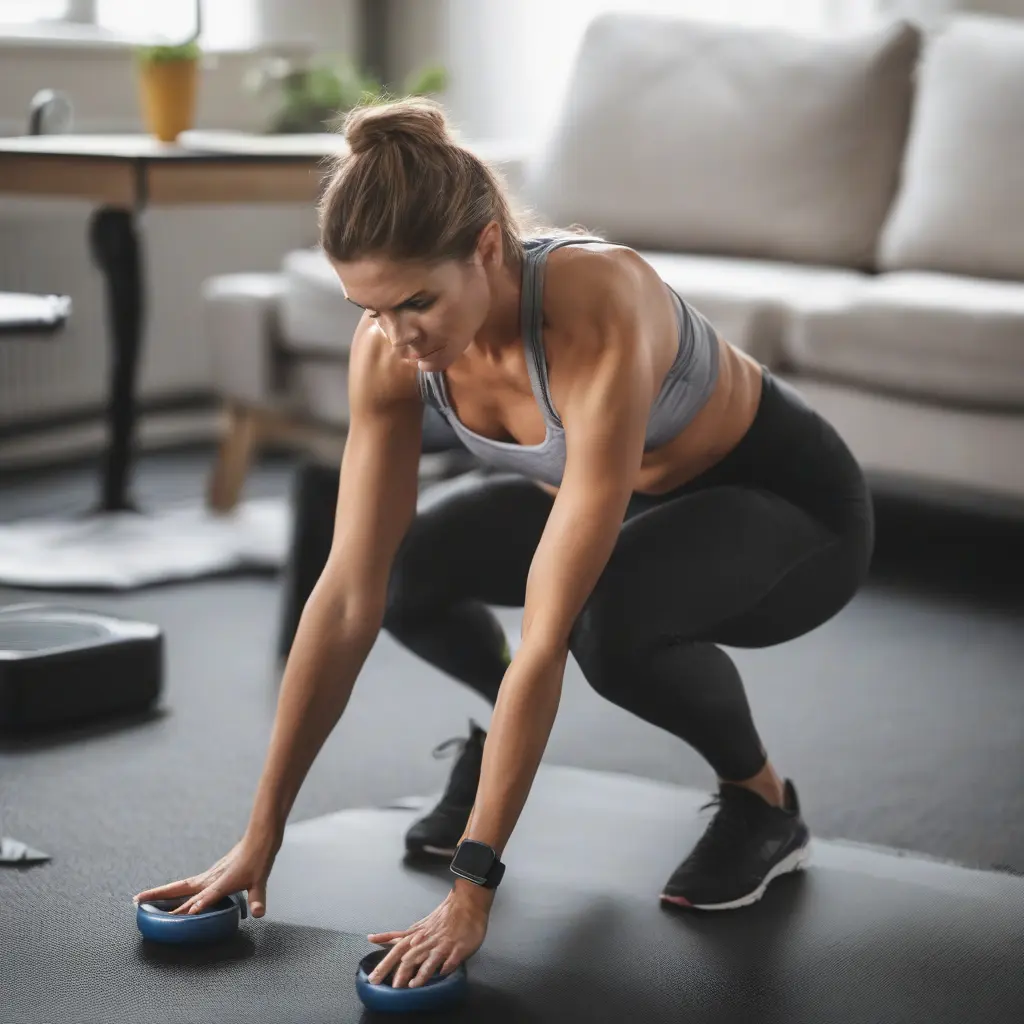
Measuring the effectiveness of home-based fat loss exercises requires a mix of tracking, assessment, and adaptation. As more people turn to exercising at home due to convenience and accessibility, understanding which exercises yield the best results becomes crucial. By focusing on evaluating performance metrics, nutritional input, and body composition changes, individuals can optimize their routines. Both quantitative and qualitative methods can help determine if their home workout programs are working as intended. This article will explore various approaches to measuring the impact of fat loss exercises conducted at home.
Understanding Fat Loss Basics
Fat loss is fundamentally about creating a calorie deficit, meaning you burn more calories than you consume. This can be achieved through a combination of exercise and proper nutrition. Understanding the science of metabolism is essential in crafting a successful fat loss strategy. By knowing how many calories your body needs to maintain its current weight, you can adjust your diet and exercise routines accordingly. It’s important to focus not only on cardio but also on strength training, as building muscle increases your resting metabolic rate.
Tracking Progress over Time
To effectively measure fat loss from home exercises, consistent tracking is essential. Consider keeping a fitness journal or using apps that allow you to log workouts, calorie intake, and body measurements. Weekly check-ins on your weight, body fat percentage, and measurements of key areas can provide insight into your progress. These records can help identify patterns and areas that may need adjustment in your routine, enhancing the likelihood of sustainable fat loss.
Utilizing Body Measurements
Using body measurements is one of the best ways to gauge the effectiveness of home-based fat loss exercises. Measurements of the waist, hips, chest, arms, and thighs can reveal changes that the scale may not show. Even when weight remains constant, changes in body composition are achievable; for instance, gaining muscle while losing fat may result in an unchanged scale number. Regularly taking these measurements can provide motivation and a clearer picture of your fitness journey.
Incorporating Fitness Assessments
Fitness assessments are a systematic way to evaluate exercise effectiveness. Simple tests, such as timed runs, push-ups, or squats, can help assess cardiovascular endurance and muscle strength. Performing these assessments at regular intervals can provide a tangible measure of improvements over time. Adjusting workouts based on assessment outcomes can help improve various fitness components and help maintain engagement, ensuring you remain on track with your fat loss goals.
Monitoring Dietary Changes
Diet plays a crucial role in achieving fat loss objectives. Tracking your dietary intake can reveal how your nutritional choices affect your exercise success. Use food diaries or nutrition-tracking apps to monitor calorie and macronutrient intake. This awareness not only aids in maintaining a calorie deficit but also helps in aligning your dietary choices with your fitness routines. Reviewing and adjusting your diet may be necessary to optimize the results from home-based exercises.
Assessing Mood and Motivation
While physical measurements are important, don’t overlook the significance of mood and motivation in your fat loss journey. Keeping track of how your workouts affect your mental well-being can provide added insights into their effectiveness. Consider journaling about your moods, energy levels, and motivation before and after workouts. Positive changes in mindset can be a sign of successful adaptation to your fitness regime, underscoring the psychological benefits that home workouts can provide.
Setting Realistic Goals
Setting realistic and achievable goals is crucial for maintaining motivation in home-based fat loss exercises. SMART goals (Specific, Measurable, Achievable, Relevant, Time-bound) can provide structure to your fitness journey. Instead of vague objectives like ‘lose weight’, aim for specific targets such as ‘lose 1-2 pounds per week’ or ‘exercise four times a week for 30 minutes’. Breaking down larger goals into smaller milestones can enhance goal tracking and offer a sense of accomplishment along the way.
Using Technology to Measure Effectiveness
Today, various technologies can help in tracking the effectiveness of home-based fat loss exercises. Fitness trackers and smartwatches can monitor heart rate, calories burned, and activity levels throughout the day. Additionally, apps that facilitate workout logging and calorie counting can offer a comprehensive overview of your fitness. These tools not only provide data but also encourage accountability, making it easier to stay on track with your fat loss goals.
Adjusting Plans Based on Results
To maintain progress, it is crucial to adjust your workout and dietary plans based on the results you observe. If you notice a plateau or your body measurements aren’t changing favorably, it may be time to modify your exercise intensity or routine. Similarly, reviewing and adjusting your caloric intake can help to keep your metabolism engaged. Being adaptable is vital; it allows for continued progress and prevents stagnation in your fat loss journey.
Conclusion
Measuring the effectiveness of home-based fat loss exercises involves a multifaceted approach that includes tracking progress, adjusting workout plans, and monitoring dietary habits. By staying committed to regular assessments and being open to adjustments, individuals can pave a clearer path toward their fitness goals. Ultimately, a holistic approach that considers physical, nutritional, and psychological factors will yield the best results in the quest for fat loss.