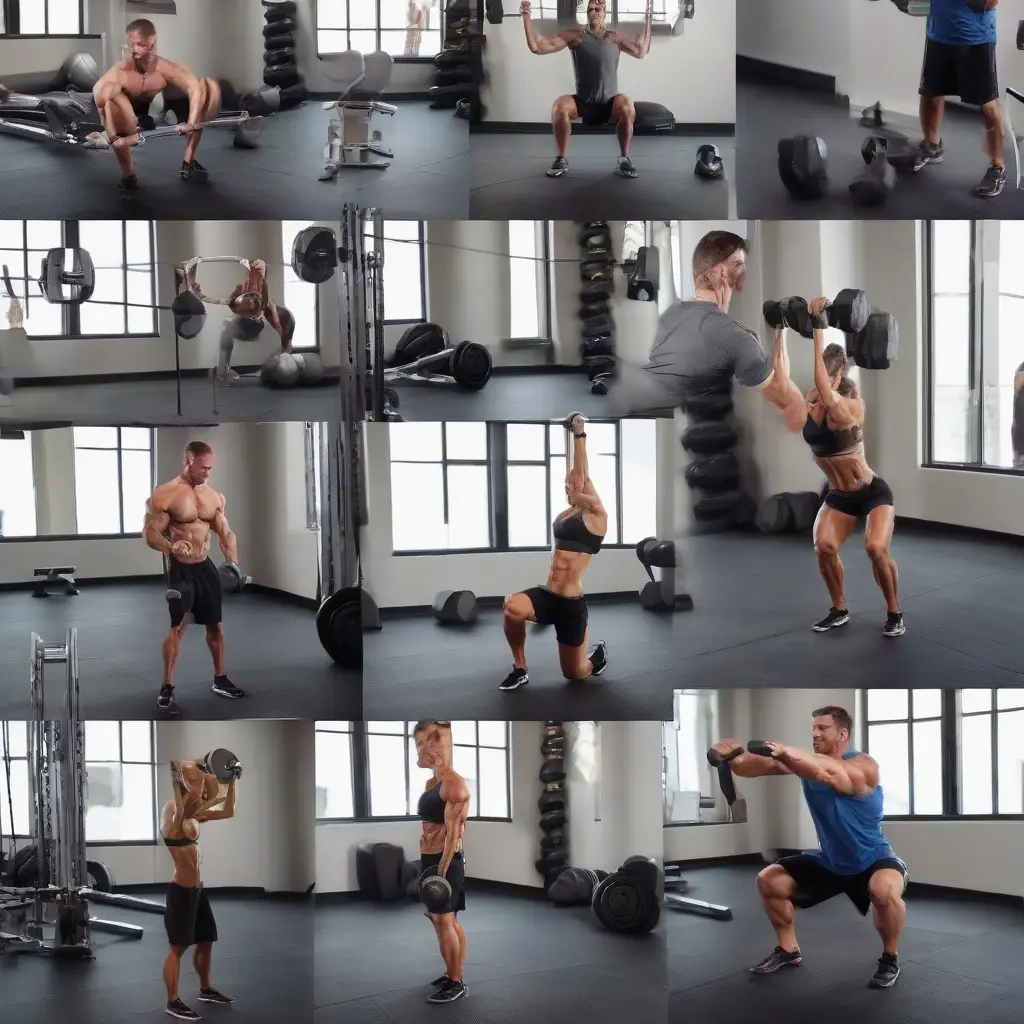
Achieving your fitness goals often requires a balanced approach that includes both strength training and fat loss exercises. While the primary aim of strength training is to build muscle, integrating fat loss exercises amplifies your overall results and enhances body composition. Understanding how these two elements can work together is crucial for maximizing efficiency in your workouts. This guide will explore effective strategies to combine these approaches, optimizing your routine for better performance and fat loss.
Understanding Strength Training
Strength training involves using resistance to induce muscle contractions, leading to increased strength, endurance, and muscle size. This form of exercise includes weightlifting, body-weight exercises, and resistance band workouts. The primary benefit is not just building muscles—it also boosts metabolism, enabling your body to burn more calories at rest. Incorporating compound movements like squats, deadlifts, and bench presses can yield significant results as they engage multiple muscle groups and provide functional strength.
The Role of Fat Loss Exercises
Fat loss exercises primarily aim to burn calories and reduce body fat. These can include activities like running, cycling, swimming, or high-intensity interval training (HIIT). Fat loss occurs when you create a calorie deficit, meaning you burn more calories than you consume. Incorporating cardiovascular exercises into your routine is essential for improving heart health and increasing your metabolic rate. By focusing on both steady-state and high-intensity workouts, you can effectively accelerate fat loss.
Combining Strength and Fat Loss for Maximum Efficiency
Combining strength training with fat loss exercises can enhance workout efficiency and promote better results. One effective strategy is to pair strength workouts with short bursts of cardio. For example, alternating between a set of strength exercises and a brief cardio interval can keep your heart rate elevated, which increases calorie burn. This method, often referred to as circuit training, ensures that you continue strengthening while actively engaging in fat loss, making the most of your time at the gym.
Creating a Balanced Workout Routine
To effectively merge strength and fat loss exercises, it’s crucial to design a well-rounded workout routine. Aim for a blend of strength sessions three to four times a week and include cardiovascular activities two to three times per week. Consider integrating full-body strength workouts, which utilize multiple muscle groups, with cardio sessions that vary in intensity. For optimal results, maintain this balance while allowing rest days for recovery, as recovery is essential for muscle growth and fat loss.
Nutrition and Its Impact on Results
Nutrition plays a pivotal role in the success of any fitness routine, particularly when combining strength training and fat loss exercises. Consuming a balanced diet rich in proteins, healthy fats, and carbohydrates provides the necessary fuel for both muscle recovery and fat burning. Tracking your caloric intake is crucial to ensure you are in a caloric deficit for fat loss, while at the same time providing enough protein to support muscle maintenance. Meal prepping can help streamline this process and ensure you adhere to your nutritional goals.
Monitoring Progress Over Time
Tracking your progress is vital for understanding how well your combined training approach is working. Regularly measure your body composition, strength levels, and workout performance to assess improvements. This could involve taking progress photos, recording workout weights, or tracking your endurance in cardio exercises. Remember that progress isn’t solely about the scale; visible changes in body composition and how your clothes fit are also significant indicators of your efforts and successes.
Avoiding Common Mistakes
Many individuals may fall prey to common mistakes when trying to combine strength training and fat loss exercises. A prevalent error is neglecting one aspect in favor of the other. Focusing primarily on cardio while skipping strength training can lead to muscle loss and slower metabolism. Additionally, overtraining can hinder overall progress and lead to injuries. It’s essential to find a balanced approach, listen to your body, and maintain a structured schedule that prioritizes both strength and fat loss equally.
The Importance of Consistency
Consistency is key to successfully combining strength training and fat loss exercises. Develop a routine that you can stick to over the long term, as sporadic workouts can undermine your progress. Establish realistic goals and celebrate small victories along the way to stay motivated. Building lasting habits and effectively managing your training schedule will help ensure that the incorporation of both exercise types yields maximum results in your fitness journey.
Tips for Staying Motivated
Maintaining motivation throughout your fitness journey is crucial, especially when combining different types of training. Set specific, achievable goals to measure your progress and create a support system of friends or fitness enthusiasts that encourages you. Variety in your workouts can also keep things interesting; alternate exercises, routines, and even training environments to prevent boredom. Remember, finding enjoyment in the process can make it easier to stay committed and achieve sustained results.
Conclusion
By understanding the synergistic benefits of combining strength training and fat loss exercises, you can create a powerful workout routine that enhances both muscle gains and fat loss. Focus on developing a balanced schedule, maintaining a nutritious diet, and staying consistent with your efforts. Monitor your progress and adjust your strategies as needed, ensuring that you remain motivated throughout your fitness journey. With dedication and the right approach, achieving your goals is within reach.