Understanding how overall body weight affects belly fat distribution is crucial in effective weight management. Factors such as genetics, lifestyle habits, and diet all play significant roles in where and how much fat accumulates in the body. Changes in body weight and composition can lead to shifts in fat distribution, particularly in the abdominal area, which is often linked to health risks. By examining these relationships, individuals can develop targeted strategies for belly fat reduction and overall well-being.
The Role of Body Weight in Fat Distribution
Body weight influences fat distribution patterns in significant ways. Generally, individuals with higher body weights tend to accumulate more fat in the abdominal region. This occurs due to various biological factors, including hormonal imbalances and genetic predispositions. While some people may carry weight in their hips or thighs, others predominantly store fat in the stomach area, leading to different health implications.
Types of Body Fat: Subcutaneous vs. Visceral
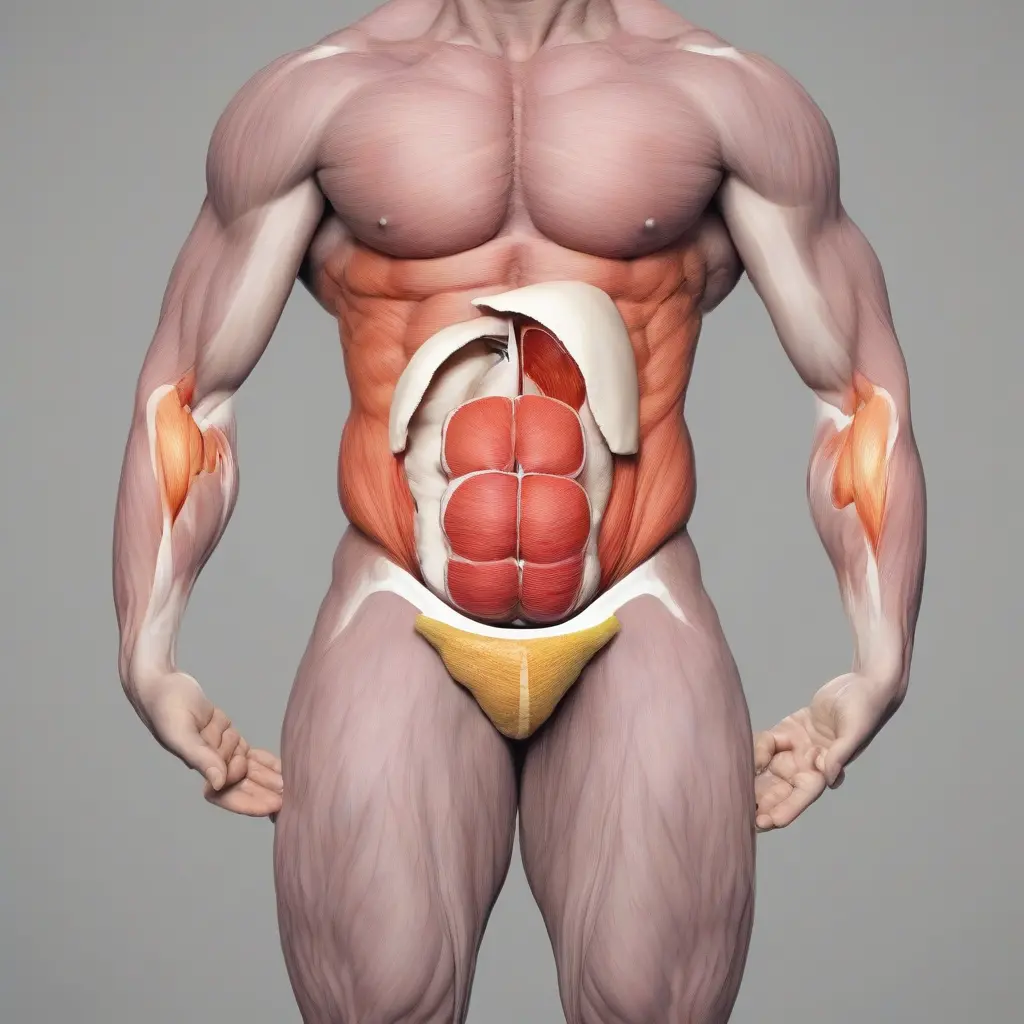
Understanding the two main types of body fat—subcutaneous and visceral—is essential in recognizing their impact on health. Subcutaneous fat sits just beneath the skin and is generally less harmful. In contrast, visceral fat surrounds vital organs within the abdominal cavity and poses greater health risks, such as cardiovascular diseases and diabetes. Body weight significantly influences the proportion of visceral fat, making it crucial to monitor fat distribution for long-term health.
Genetics and Belly Fat Distribution
Genetic factors play a critical role in how and where your body stores fat. Some individuals may inherit a tendency to store fat in specific areas, such as the abdomen, regardless of overall body weight. Research has shown that genetic variations can affect hormonal functions that regulate fat accumulation and distribution. This understanding can guide personalized approaches to belly fat reduction, as individual body types may respond differently to dietary and lifestyle changes.
Dietary Choices and Their Impact
Diet plays a significant role in overall body weight and fat distribution. Diets high in refined sugars and unhealthy fats are linked to increased belly fat. Conversely, a balanced diet rich in whole foods, lean proteins, and healthy fats can promote fat loss and help redistribute body fat. Adopting mindful eating habits while focusing on nutrient density can significantly impact belly fat levels, making dietary choices an essential factor in overall health.
Exercise and Belly Fat Management
Physical activity is paramount in managing overall body weight and fat distribution. Regular exercise helps burn calories and reduces both subcutaneous and visceral fat. Cardiovascular exercises, strength training, and high-intensity interval training (HIIT) are particularly effective. By implementing a consistent workout routine, individuals can enhance their metabolism and foster a healthier fat distribution pattern, ultimately targeting belly fat.
The Impact of Stress on Fat Distribution
Stress can significantly influence body weight and fat distribution, particularly in the abdominal area. When under stress, the body releases cortisol, a hormone that promotes fat storage, especially visceral fat. High-stress levels can lead to unhealthy eating habits as well, perpetuating the cycle of weight gain. Managing stress through mindfulness practices, relaxation techniques, and adequate sleep can help regulate cortisol levels and, in turn, impact belly fat distribution.
Age and Hormonal Changes
As individuals age, hormonal changes can lead to shifts in body fat distribution patterns. For instance, women often experience significant hormonal fluctuations during menopause, which can result in increased abdominal fat accumulation. Similarly, aging affects muscle mass, which influences metabolism and fat storage. Understanding these age-related changes is essential for developing effective strategies for managing belly fat and maintaining a healthy weight throughout life.
The Importance of Sleep in Fat Distribution
Sleep is a crucial factor influencing body weight and fat distribution. Poor sleep quality and duration are associated with hormonal imbalances that can lead to increased appetite and cravings, particularly for high-calorie foods. Moreover, insufficient sleep contributes to higher cortisol levels, further promoting fat accumulation around the belly. Fostering healthy sleep habits can play a significant role in managing body weight and supporting effective belly fat reduction.
The Connection Between Body Composition and Health Risks
The distribution of body fat is closely linked to various health risks. Excess abdominal fat is associated with an increased risk of chronic conditions such as heart disease, diabetes, and certain cancers. Monitoring and understanding one’s body composition, rather than just overall weight, provides a more accurate representation of health. This awareness can empower individuals to adopt healthier lifestyles aimed at reducing belly fat and mitigating health risks.
Conclusion
In summary, overall body weight significantly influences belly fat distribution due to factors such as genetics, diet, exercise, stress, age, and sleep. Understanding these connections is vital for implementing effective strategies for belly fat reduction and achieving overall health. By adopting a holistic approach that encompasses balanced nutrition, regular physical activity, and lifestyle management, individuals can navigate their weight loss journey more effectively.