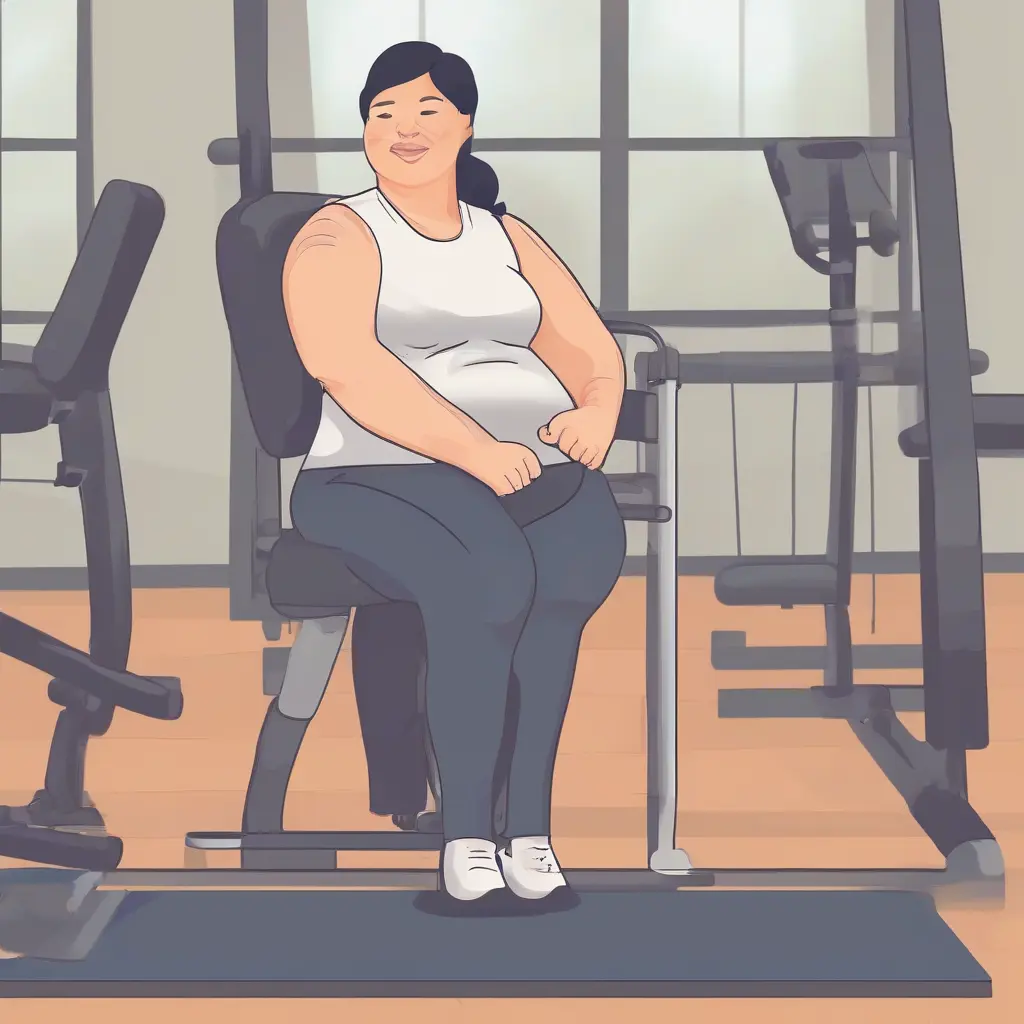
Losing fat can be challenging for individuals with limited mobility due to various physical constraints. However, there are effective exercises and adaptive techniques that can promote fat loss while ensuring safety and comfort. This guide explores multiple adaptive workouts that cater to different needs and abilities. With a focus on improving strength, flexibility, and cardiovascular health, these exercises allow individuals to achieve their fitness goals without feeling overwhelmed. By incorporating these tailored activities into one’s routine, anyone can enhance their overall well-being.
Understanding Limited Mobility and Its Challenges
Limited mobility can arise from various conditions, including arthritis, neurological disorders, or after certain surgeries. This can complicate traditional fat loss efforts, as many exercises require a full range of motion. Individuals may face challenges such as pain, weakness, or fatigue, impacting their ability to perform standard workouts. Understanding these barriers is crucial for developing effective exercise plans that align with one’s physical capabilities. Tailoring exercises based on personal mobility levels ensures that individuals can engage in meaningful physical activity without exacerbating their conditions.
Benefits of Adaptive Exercises
Adaptive exercises provide a range of benefits for individuals with limited mobility. They can enhance physical fitness, improve mental health, and promote overall well-being while allowing individuals to exercise safely. These modified routines focus on adjusting movements to meet individual needs, allowing for better control and less strain on the body. Additionally, adaptive exercises can foster a sense of accomplishment and empowerment as individuals witness their progress over time. Incorporating these exercises into a regular routine helps build confidence and encourages a healthier lifestyle.
Seated Upper Body Exercises
Seated upper body exercises are an excellent choice for those with limited mobility, allowing individuals to work on strength training while seated. Exercises such as seated arm raises, shoulder presses, and chest flies can help tone the arms, shoulders, and chest without requiring extensive physical exertion. Resistance bands or light weights can be introduced to increase intensity and effectiveness. This approach not only conserves energy but also focuses on building upper body strength, which can enhance daily activities and overall functionality.
Chair-Based Cardio Workouts
Chair-based cardio workouts are a fantastic way to improve cardiovascular health for those unable to perform high-impact activities. Simple movements, such as seated marching, arm circles, and torso twists, can elevate the heart rate without putting undue strain on the body. Performing these exercises for shorter intervals, gradually increasing duration over time, can significantly boost endurance and support fat loss efforts. Adding music or a fun video can create a more engaging atmosphere, making the workout experience enjoyable.
Stretching and Flexibility Exercises
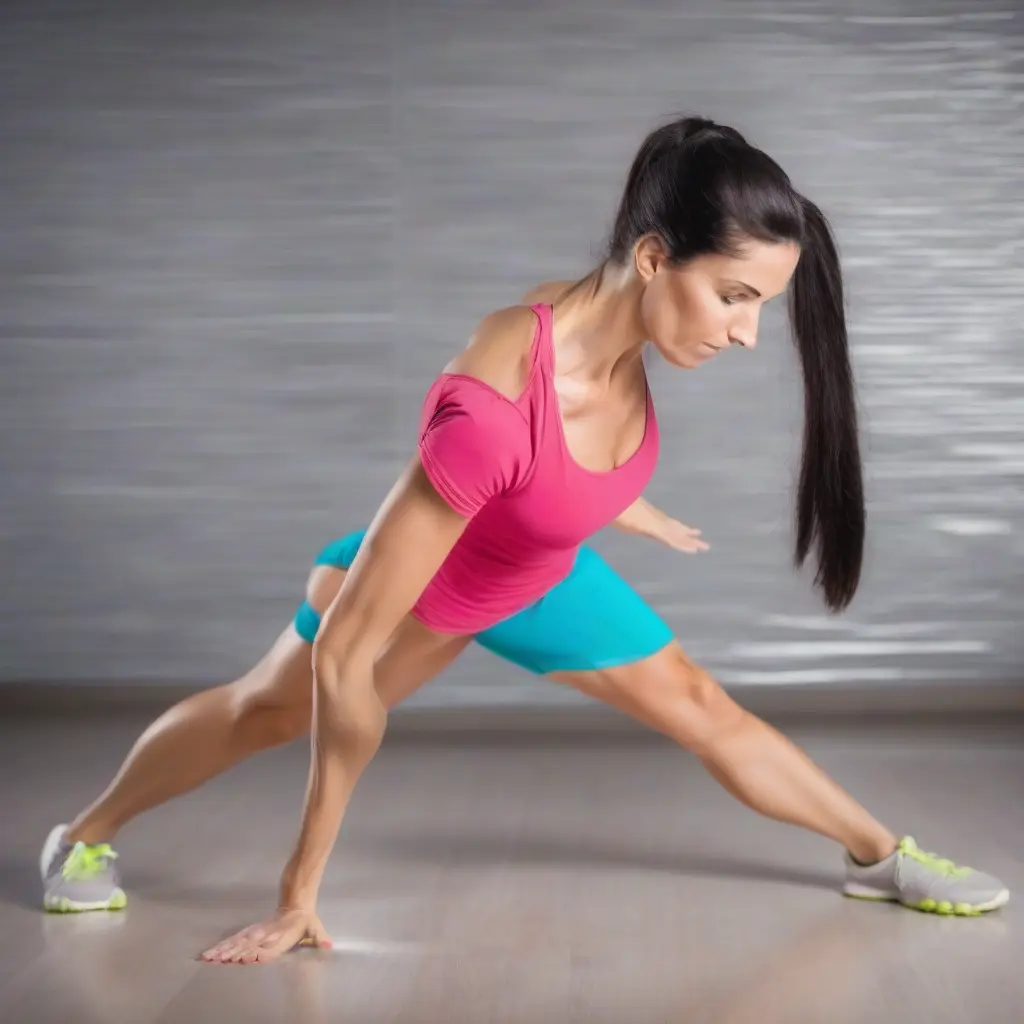
Incorporating stretching and flexibility exercises is vital for individuals with limited mobility. Regular stretching helps improve range of motion, reduces stiffness, and minimizes the risk of injury. Gentle stretches targeting key muscles, such as the neck, shoulders, and legs, can significantly enhance overall mobility. Simple movements, such as reaching for the ceiling or toe touches while seated, can be easily performed. Creating a daily stretching routine fosters relaxation and prepares the body for more active engagement, promoting consistent participation in other exercises.
Water-Based Exercises for Aquatic Therapy
Water-based exercises are particularly beneficial for individuals with limited mobility due to the buoyancy, which reduces joint strain. Activities like water walking, arm exercises, or gentle swimming can significantly enhance strength and endurance. Engaging in aquatic therapy not only promotes fat loss but also provides a low-impact environment, making exercises more accessible. Each session can include a variety of movements tailored to one’s ability, emphasizing mobility and functionality. The supportive nature of water facilitates a comfortable workout, encouraging individuals to stay active.
Incorporating Resistance Bands
Resistance bands are versatile tools for individuals with limited mobility, allowing for varied strength training exercises that are adjustable to different fitness levels. Simple movements, such as seated rows or leg presses using bands, can be performed to target specific muscle groups. These bands provide resistance without the need for heavy weights, making them safe and effective. Using resistance bands not only builds strength but also enhances coordination and flexibility, crucial for maintaining mobility and achieving fat loss goals.
Creating a Routine for Success
Establishing a consistent routine is essential for achieving fitness and fat loss goals, especially for those with limited mobility. Begin by identifying preferred times and types of exercises that fit within one’s physical capabilities. Balancing different types of movements, such as strength training, cardio, and flexibility work, ensures a well-rounded approach. Moreover, setting realistic goals and tracking progress can boost motivation and accountability. Support from healthcare professionals or fitness trainers specialized in adaptive techniques can further enhance safety and efficacy during workouts.
Consulting Healthcare Professionals
Before beginning any exercise regimen, it is essential for individuals with limited mobility to consult healthcare professionals. Medical experts can provide personalized advice tailored to an individual’s specific health conditions and physical capabilities. They may recommend specific activities or caution against exercises that could exacerbate existing issues. Additionally, professionals can discuss potential modifications to ensure safe practice. Assessing personal health risks and understanding bodily limits is a critical step toward effective fat loss and maintaining a sustainable exercise routine.
Staying Motivated While Exercising
Maintaining motivation can be challenging for individuals with limited mobility, but it is crucial to long-term success. Setting achievable goals, celebrating small victories, and engaging with supportive communities can foster a positive attitude towards fitness. Utilizing technology, such as fitness apps, can help track progress and provide workout ideas that are accessible. Finding a workout buddy or joining support groups can also offer encouragement and accountability. Sharing experiences in a nurturing environment significantly enhances commitment to regular exercise.
Conclusion
Adaptive exercises are instrumental in promoting fat loss for individuals with limited mobility. By modifying activities to align with personal capabilities and consulting professionals, individuals can successfully engage in fitness routines that enhance their health. From seated workouts to aquatic therapy, a range of options exist to cater to diverse needs. Emphasizing flexibility, strength, and enjoyment, these adaptive techniques empower individuals to achieve their fitness goals safely and effectively.