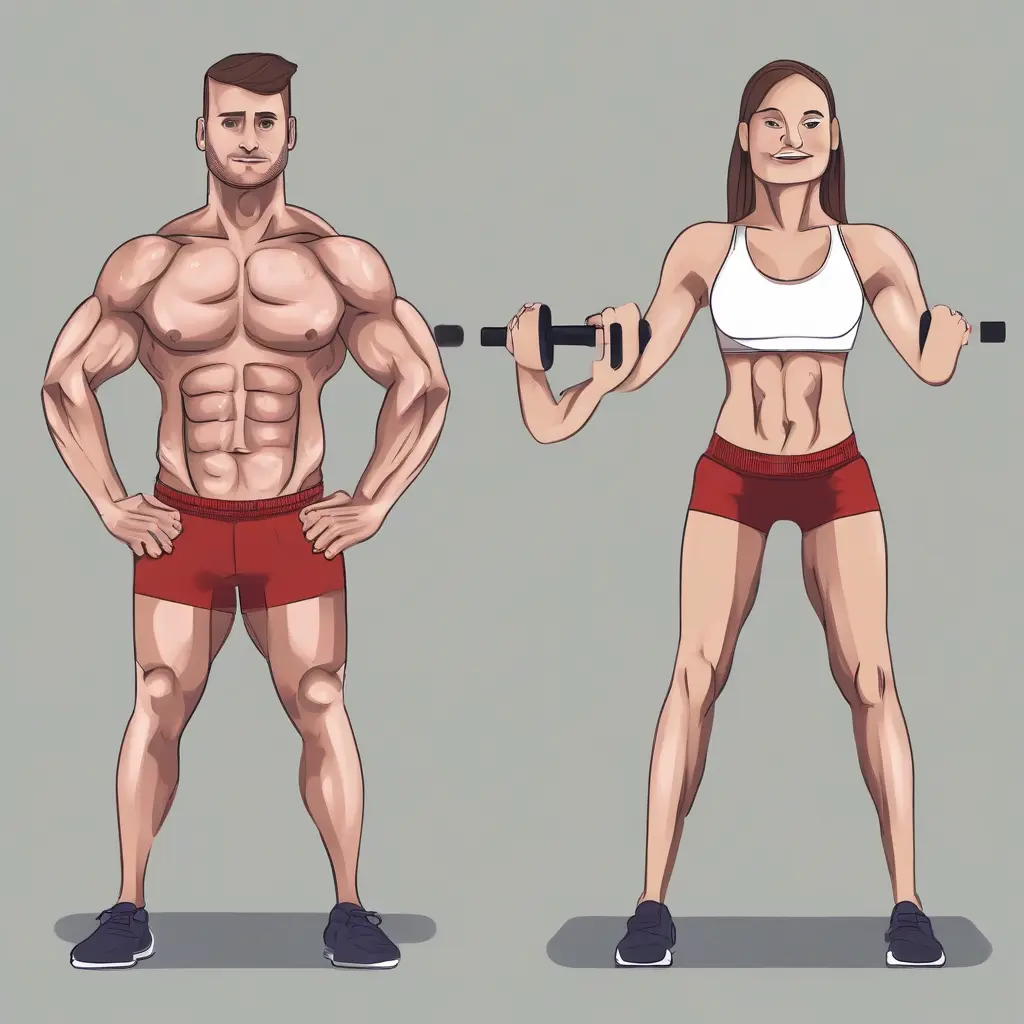
Belly fat is a common concern for many individuals seeking to improve their health and appearance. Weight training is often debated in the fitness community regarding its effectiveness in fat loss, particularly in the abdominal region. This article will explore the connection between weight training and belly fat reduction, discussing how strength training may contribute to losing weight, the physiological mechanisms involved, and the practical applications of incorporating resistance exercises into a fitness regimen.
Understanding Belly Fat
Belly fat, also known as visceral fat, can pose significant health risks, including diabetes, heart disease, and metabolic syndrome. It accumulates around vital organs and is different from subcutaneous fat, which is found just under the skin. Understanding the types of belly fat is crucial for developing effective strategies for fat loss through diet and exercise. Research indicates that reducing belly fat can enhance overall health, leading to improved physical performance and a lower risk of chronic diseases.
The Role of Weight Training
Weight training, or resistance training, involves exercises that build muscle through resistance. This method is known to increase lean body mass, which in turn elevates resting metabolic rate (RMR). Elevating RMR means that the body burns more calories at rest, potentially contributing to fat loss over time. Unlike cardio exercises, weight training has lasting benefits, causing the body to continue burning calories even after a workout. This increased post-exercise oxygen consumption (EPOC) can further assist in reducing belly fat.
Mechanisms Behind Fat Loss
The mechanisms behind weight training’s role in fat loss are complex. When you engage in resistance exercises, muscle fibers undergo microscopic damage. As these fibers repair and grow stronger, the body requires energy, leading to increased calorie consumption. Additionally, hormonal responses triggered by weight training, such as increased testosterone and growth hormone levels, can promote fat loss and muscle gain. This combination of physiological changes makes weight training a potent tool for those aiming to lose belly fat.
The Impact of Muscle Mass on Metabolism
Increased muscle mass significantly impacts metabolism, allowing the body to burn more calories efficiently. Muscle tissue is metabolically active, which means it requires more energy to maintain compared to fat tissue. A well-structured weight training program can aid in building muscle, thus enhancing overall metabolic rate. This is particularly beneficial for individuals struggling with weight loss plateaus, as increased muscle mass can facilitate a more effective calorie deficit for belly fat reduction.
Combining Cardio and Weight Training
While weight training is beneficial for fat loss, combining it with cardiovascular exercise can enhance overall results. Cardio workouts help in burning calories while improving cardiovascular health, making it a vital component of a balanced fitness program. Incorporating both types of training can create a comprehensive approach towards belly fat reduction. For optimal results, individuals might consider scheduling cardio and weight training sessions strategically throughout the week to maximize fat-burning potential.
Nutrition’s Role in Fat Loss
Nutrition plays a crucial role in fat loss and overall health when paired with weight training. Consuming a balanced diet rich in whole foods—like lean proteins, healthy fats, and complex carbohydrates—can aid in muscle recovery and fat loss. Creating a caloric deficit through dietary choices while incorporating resistance training can enhance results for belly fat reduction. It’s essential to prioritize nutrient timing, ensuring the body receives proper nutrition before and after workouts to support muscle growth and energy levels.
Individual Variations in Weight Loss
Individual differences, such as genetics, age, and hormonal levels, can influence how effectively one loses belly fat through weight training. Each person’s body responds uniquely to exercise and dietary changes. For instance, younger individuals may experience quicker results due to higher metabolic rates, while others may require tailored programs to account for hormonal imbalances. Understanding and acknowledging these differences can facilitate more personalized and effective training and nutrition strategies.
Common Weight Training Exercises for Belly Fat Loss
Certain weight training exercises target the core and can help in reducing belly fat. Squats, deadlifts, and overhead presses not only build strength but also engage the abdominal muscles as stabilizers. Incorporating movements like planks and rows enhances core stability and strength, contributing to better posture and functional fitness. Including these exercises in a regular workout routine can create a solid foundation for fat loss while promoting overall strength and agility.
Setting Realistic Goals
Setting realistic and achievable goals is essential for long-term success in weight training and fat loss. Individuals should aim for gradual fat loss rather than expecting rapid changes, as sustainable weight management is often a slower process. Tracking progress through measurements, photos, or performance metrics can help maintain motivation. Ensuring that goals are specific, measurable, and time-bound allows individuals to celebrate small victories, fostering a continual commitment to a healthier lifestyle.
The Psychological Benefits of Weight Training
Engaging in weight training not only supports physical health but also provides significant psychological benefits. Exercise has been shown to boost mood, reduce anxiety, and enhance overall mental well-being. When individuals notice improvements in their strength and body composition, it can further enhance self-esteem and motivation. As psychological factors play a critical role in maintaining fitness routines, the mental health benefits of weight training support an overall healthy lifestyle.
Conclusion
In conclusion, weight training can effectively contribute to losing belly fat through various physiological and metabolic mechanisms. By increasing muscle mass, enhancing metabolism, and combining with a balanced diet, individuals can achieve their fat loss goals. Incorporating resistance exercises not only promotes fat reduction but also improves overall health and mental well-being. Therefore, a well-structured program that includes weight training should be an integral part of any fat loss strategy.