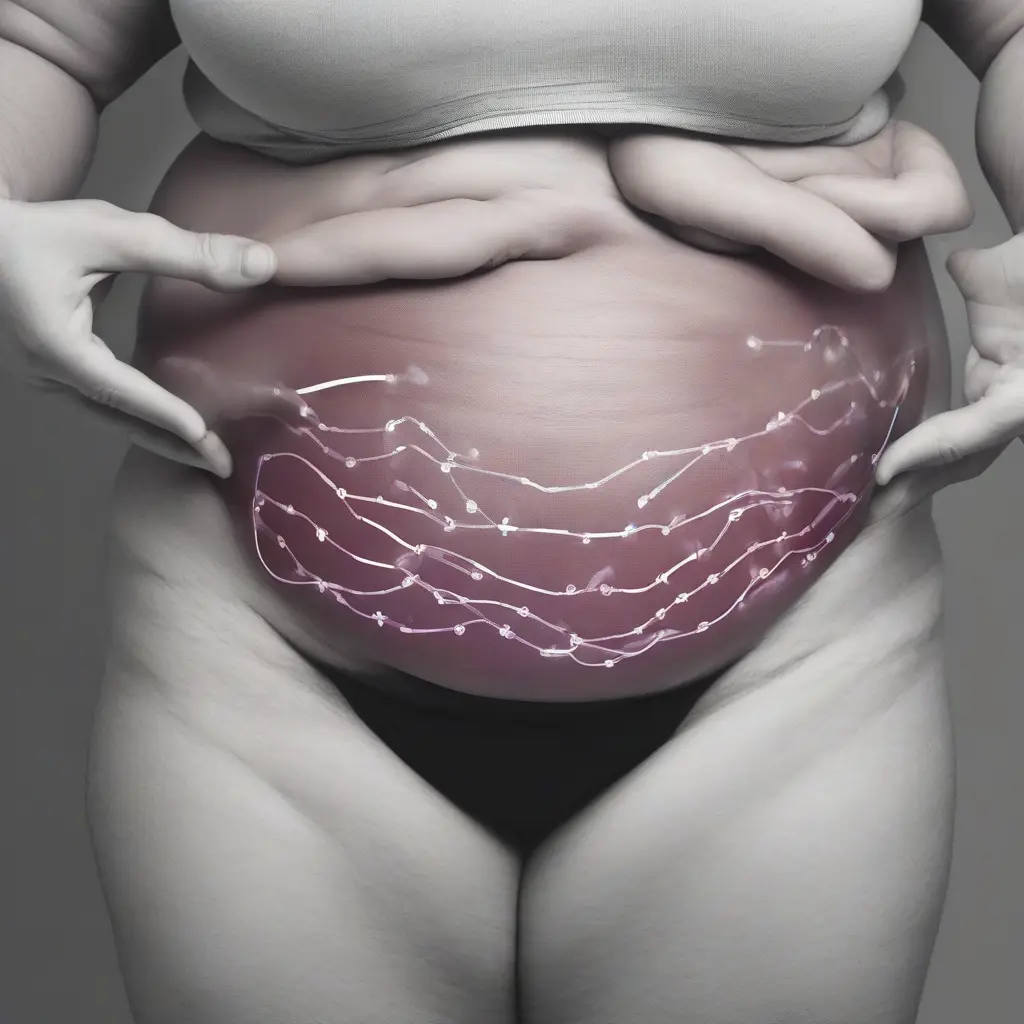
Belly fat reduction is often clouded by misconceptions that can hinder effective weight loss. Understanding these myths is crucial for those looking to achieve a healthier body. Many individuals seek quick fixes, but sustainable solutions require informed choices. From dietary beliefs to exercise strategies, debunking common myths can empower individuals to adopt healthier habits. This article will clarify these misconceptions and provide relatable insights for effective belly fat reduction.
Myth 1: Spot Reduction is Possible
Many people believe that targeting specific areas of the body through exercises can lead to spot reduction of fat, notably the belly. However, scientific research indicates that fat loss cannot occur in isolated regions. When you lose weight, your body tends to lose fat uniformly across various areas. Instead of focusing solely on exercises like crunches, it’s essential to engage in holistic strategies including a balanced diet and overall body workouts to achieve effective results.
Myth 2: Carbs Cause Belly Fat
A common misconception is that all carbohydrates contribute to belly fat. In reality, not all carbs are created equal. Whole grains, fruits, and vegetables provide essential nutrients and can be part of a healthy diet. The problem arises with refined carbohydrates, which are often processed and lack fiber. These can lead to increased hunger and overeating, but moderate consumption of healthy carbs can actually support weight loss by keeping your energy levels stable and providing necessary nutrients.
Myth 3: Skipping Meals is Effective for Weight Loss
Many believe that skipping meals can lead to quick weight loss and reduced belly fat. However, this strategy can backfire as it may lead to increased hunger later in the day, resulting in overeating. Additionally, skipping meals can slow down metabolism, which is counterproductive to fat loss. A better approach is to eat smaller, balanced meals throughout the day to maintain energy levels and minimize the urge to binge.
Myth 4: All Fats are Bad for You
Another prevalent myth is that consuming fats will inevitably lead to weight gain, particularly around the belly. In fact, healthy fats, such as those from avocados, nuts, and olive oil, play a critical role in maintaining overall health. They can promote feelings of fullness and help in the absorption of essential nutrients. Moderation is key, and incorporating healthy fats into your diet can support weight loss rather than hinder it.
Myth 5: You Can Out-Exercise a Poor Diet
Many individuals believe that they can lose weight through exercise alone, regardless of their dietary choices. While regular physical activity is essential for a healthy lifestyle, poor dietary habits can negate the benefits of exercise. A balanced approach that incorporates nutritious eating with consistent workout routines is crucial for effective belly fat reduction. Exercise enhances overall fitness and helps in fat loss, but it should complement a healthy diet rather than replace it.
Myth 6: Drinking Water Can Help Lose Belly Fat
The belief that drinking excess water directly leads to belly fat loss is a misunderstanding. While hydration is important for overall health and can aid in digestion, simply increasing water intake will not melt away fat. However, drinking water may help in reducing calorie intake by promoting a feeling of fullness when consumed before meals. It’s essential to pair good hydration with a balanced diet and regular exercise for effective results.
Myth 7: All Exercise Routines are Created Equal
Not all exercise routines lead to effective belly fat loss; a common misconception is that any form of exercise will yield the same results. Cardio workouts are beneficial for burning calories, while strength training helps build muscle, which is crucial for sustaining a higher metabolism. Combining both types of exercises along with flexibility training can provide a comprehensive fitness plan that is more effective for overall fat reduction.
Myth 8: Belly Fat is Just a Cosmetic Issue
It’s a misconception that belly fat is merely a cosmetic issue without health implications. In reality, excess abdominal fat is associated with various health risks including diabetes, heart disease, and certain cancers. Addressing belly fat is not just about aesthetics; it’s essential for improving overall health. Thus, understanding these health risks and taking conscious steps towards reducing belly fat can lead to better health outcomes and increased longevity.
Conclusion
Debunking myths surrounding belly fat is vital for effective loss strategies. Understanding the real factors that contribute to weight gain and loss can empower individuals to make informed lifestyle choices. In addition to maintaining a balanced diet and consistent exercise, addressing these misconceptions can enhance one’s journey towards achieving a healthier body. By focusing on accurate information and sustainable practices, individuals can achieve their weight loss goals more effectively.