Belly fat is not just a cosmetic concern; it poses significant health risks, including diabetes and heart disease. Incorporating fiber into your diet can be a powerful strategy for reducing belly fat. Fiber helps promote satiety, which can lead to lower calorie intake, improved digestion, and enhanced gut health. This article will explore the role of fiber in belly fat reduction and present a variety of high-fiber foods you can easily include in your meals.
Understanding Fiber and Its Benefits
Fiber is a type of carbohydrate that the body cannot digest. It is classified into two categories: soluble and insoluble. Soluble fiber dissolves in water and forms a gel-like substance that can help lower blood cholesterol levels and stabilize blood sugar. Insoluble fiber, on the other hand, adds bulk to stool and aids in digestion. Both types contribute to feelings of fullness, which is essential for weight management and can directly help reduce stubborn belly fat.
How Fiber Aids in Belly Fat Reduction
Fiber can aid in reducing belly fat by enhancing feelings of fullness and reducing overall calorie intake. When foods rich in fiber are consumed, they slow down digestion, which helps to prolong satiety. As a result, you are less likely to overeat or snack on unhealthy options. Additionally, high-fiber foods often come with fewer calories, making them an excellent choice for weight management and specifically targeting belly fat.
The Connection Between Gut Health and Belly Fat
There is a growing body of research linking gut health to weight management, particularly concerning belly fat. Fiber plays a significant role in promoting gut health by acting as a prebiotic, feeding beneficial gut bacteria. A healthy gut microbiome can improve metabolism and aid in fat storage regulation. Thus, individuals looking to reduce their belly fat should prioritize fiber-rich foods to support both gut health and effective weight loss.
High-Fiber Foods to Include in Your Diet
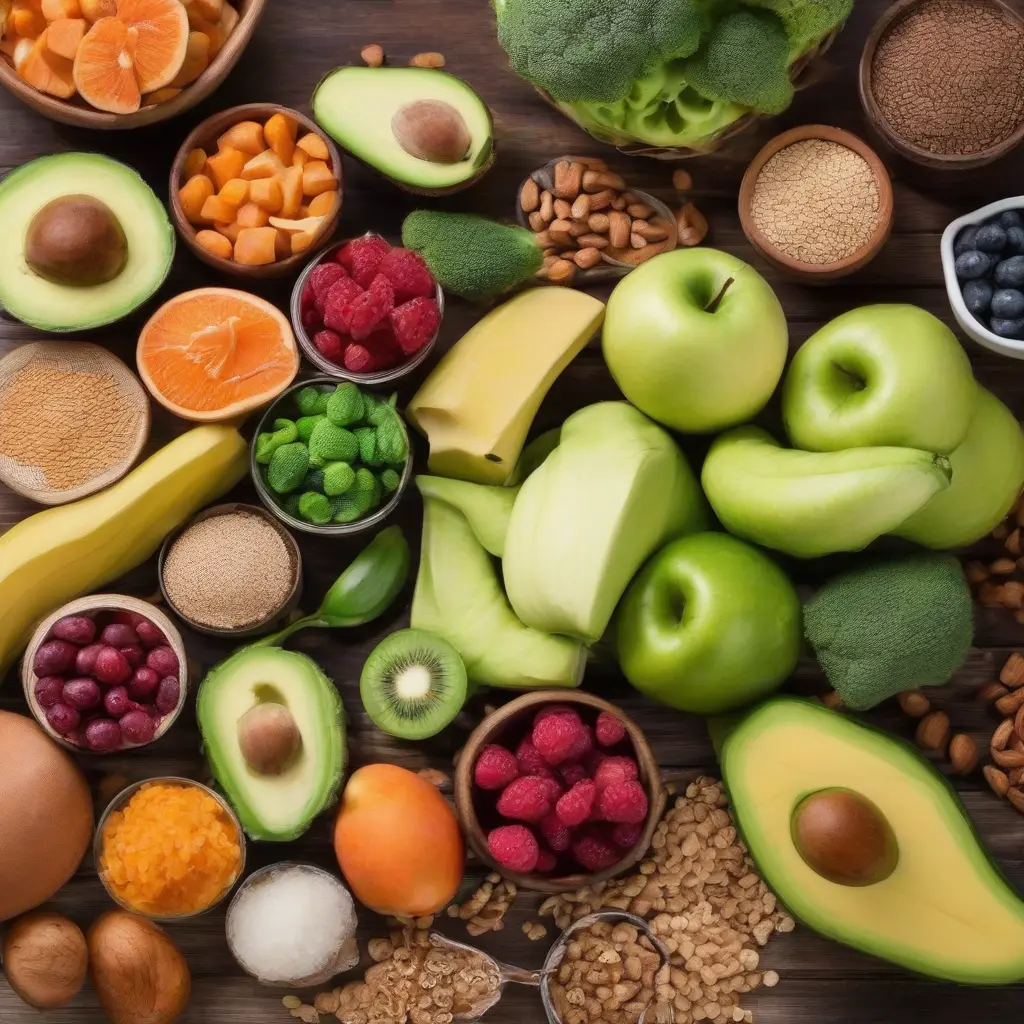
A variety of foods are rich in fiber and can be easily integrated into your daily meals. Legumes, such as lentils and black beans, are excellent sources of soluble fiber and can be added to salads or soups. Whole grains like quinoa, brown rice, and oats provide both insoluble and soluble fiber, making them great breakfast options. Fruits such as apples and berries, along with vegetables like broccoli and Brussels sprouts, are also high in fiber and can be enjoyed in numerous ways.
Incorporating Fiber into Your Meals
Incorporating fiber into your diet doesn’t have to be complicated. Start by gradually increasing your daily fiber intake to avoid digestive discomfort. Aim for whole-food sources, mixing and matching high-fiber fruits, vegetables, and grains in your meals. For breakfast, consider oatmeal topped with berries. Lunch could feature a lentil salad, while for dinner, a stir-fry with plenty of colorful vegetables is an excellent choice. Snacking on fruit or whole-grain crackers can also help boost your fiber intake.
Tips for Increasing Fiber Intake
To effectively increase your fiber intake, focus on gradual changes to your diet. Begin by replacing refined grains with whole grains and incorporating at least one high-fiber item into each meal. Check nutrition labels to identify fiber content and aim for foods that offer at least 3 grams per serving. Drinking plenty of water is essential, as fiber absorbs water and helps to keep the digestive system running smoothly. Over time, these small adjustments can lead to significant health benefits, including belly fat reduction.
Potential Side Effects of High Fiber Intake
While fiber is essential for health, increasing intake too quickly can lead to digestive issues, such as bloating and gas. It’s important to find a balance and to listen to your body when introducing more fiber-rich foods. Sudden changes can overwhelm your digestive system. It is advisable to gradually increase your fiber intake over several days, allowing your body to adjust. Regularly consuming water will further help mitigate potential discomfort caused by a high-fiber diet.
Other Lifestyle Changes to Support Belly Fat Reduction
In addition to incorporating more fiber into your diet, other lifestyle changes can also support belly fat reduction. Regular physical activity, such as cardio and strength training, is crucial for burning calories and improving body composition. Adequate sleep and stress management techniques, such as meditation or yoga, can also impact weight. Combining these changes with a fiber-rich diet creates a holistic approach to reducing belly fat and improving overall health.
Conclusion
Incorporating fiber into your diet plays a crucial role in reducing belly fat and enhancing overall health. By including a variety of high-fiber foods, you can effectively increase satiety, support gut health, and manage calorie intake. While fiber alone is not a magic solution, it can be a powerful component of a comprehensive approach to achieving your weight loss goals and improving your overall well-being.