Fat loss for overweight teens requires a thoughtful approach that balances exercise with safety and well-being. Incorporating age-appropriate workouts can help boost metabolism, enhance physical fitness, and improve mental health. The key is to combine various types of exercises, including aerobic activities, strength training, and flexibility exercises. These activities not only assist with weight loss but also promote a healthier lifestyle and body image. Additionally, maintaining a consistent and safe routine can foster positive habits that extend into adulthood. This article outlines effective fat loss exercises and important safety tips tailored for teenagers.
Understanding Fat Loss for Overweight Teens
It’s essential to understand that fat loss for overweight teens is not just about shedding pounds; it involves adopting a healthier lifestyle. Teenagers have unique nutritional and physical needs that differ from adults. Therefore, a focus on balanced nutrition and physical activity is critical. When youths engage in regular exercise alongside a nutritious diet, they can achieve sustainable weight management while also improving their health and self-esteem. Understanding the psychological aspects of weight loss is also vital, as healthier teens tend to develop better self-images and social relationships.
Aerobic Exercises for Weight Loss
Aerobic exercises are excellent for burning calories and improving cardiovascular health, making them crucial for fat loss in overweight teens. Activities such as brisk walking, jogging, cycling, and swimming elevate the heart rate and help increase caloric expenditure. Engaging in at least 150 minutes of moderate-intensity aerobic exercise weekly is beneficial for overweight adolescents. Participating in group activities or team sports can make these exercises more enjoyable and motivating, encouraging consistent engagement. The social aspect of aerobic exercises can also improve mental well-being.
Strength Training for Building Muscle
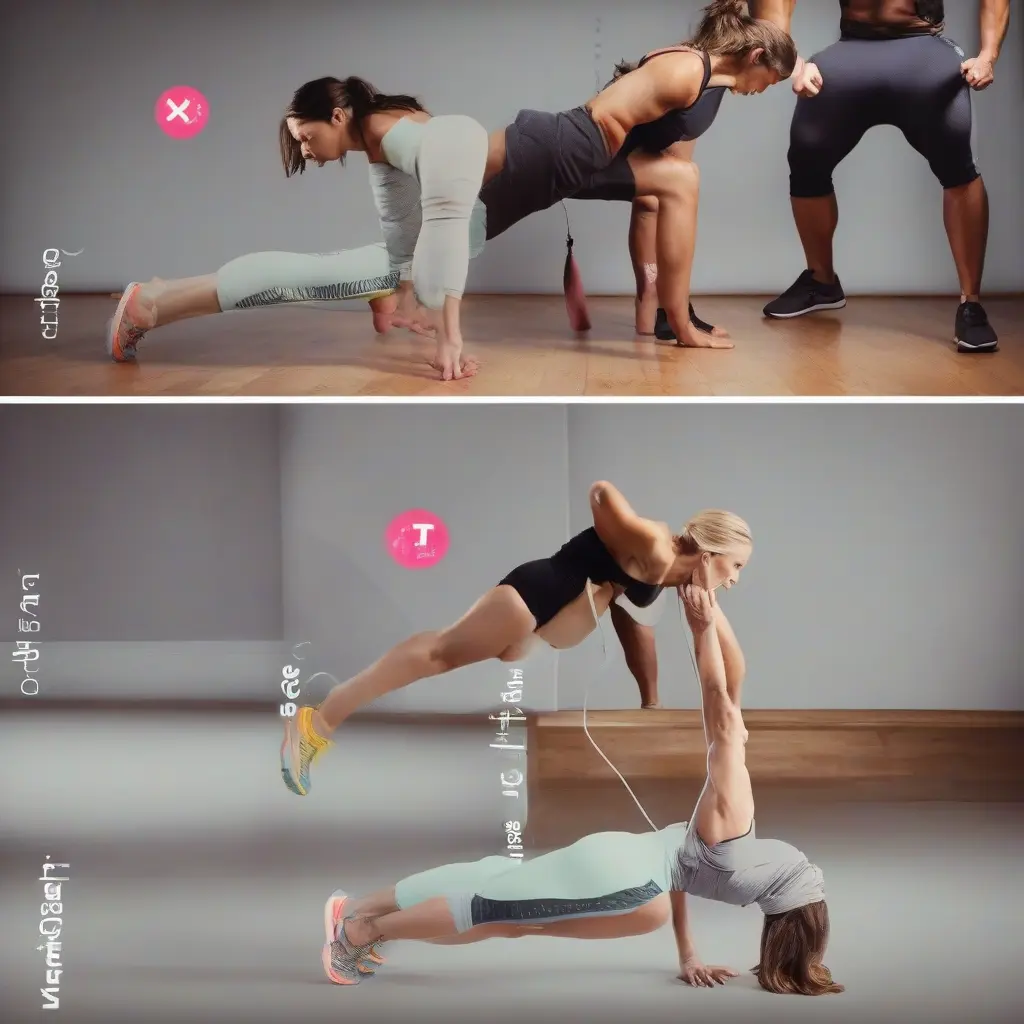
Strength training is an important component of a comprehensive fat loss program for teens. It helps build muscle mass, which in turn can increase resting metabolic rate and promote fat loss over time. Bodyweight exercises such as push-ups, squats, and lunges are excellent starting points as they require no equipment and can be adapted for various fitness levels. Additionally, using resistance bands and light weights can enhance strength training as skills improve. Performing strength training two to three times a week allows teens to enhance their physical capabilities while also fostering body confidence.
Flexibility and Stretching Exercises
Flexibility exercises should not be overlooked as they play a key role in physical fitness. Incorporating stretching or yoga can improve overall flexibility, reduce the chance of injury during other physical activities, and aid in recovery. Teens should aim to include flexibility training at least two to three times per week. Not only do these exercises promote physical health, but they can also reduce stress and enhance mental clarity. Simple stretches can be done at home, which makes it easy for teens to establish a routine and reap the benefits of improved flexibility.
Setting Realistic Goals
Setting realistic and achievable goals is crucial for effective fat loss among teens. Instead of focusing solely on weight loss, teens should prioritize improvements in physical fitness, confidence, and overall health. Goals should be specific, measurable, and time-bound, such as exercising a certain number of days per week or completing a specific fitness challenge. It’s vital to celebrate small achievements along the way to maintain motivation. By creating a framework that emphasizes progress rather than perfection, teens can cultivate a healthier relationship with their bodies and exercise routines.
Incorporating Fun Activities
Making fat loss activities enjoyable significantly boosts adherence to a fitness routine. Overweight teens should explore various physical activities to find what they enjoy, whether it’s dance, hiking, martial arts, or team sports. Engaging in fun activities can prevent exercise from feeling like a chore and increase the likelihood of consistent participation. Additionally, doing exercises with friends can enhance motivation and make workouts more enjoyable. By prioritizing fun, teens are more likely to establish lasting healthy habits and maintain a positive mindset toward physical fitness.
Nutrition and Hydration Tips
Nutrition plays an essential role in complementing any fat loss exercise plan for teens. Consuming a balanced diet rich in fruits, vegetables, whole grains, and lean proteins can support healthy weight management. Avoiding processed foods high in sugar and unhealthy fats is also crucial for achieving sustainable results. Staying hydrated is equally important; drinking adequate water can help regulate metabolism and energy levels during exercises. Encouraging teens to develop healthy eating habits alongside regular physical activity can foster a holistic approach to health and weight management.
Safety Practices During Exercise
Safety should be the highest priority during any exercise regimen for overweight teens. Ensuring proper warm-up and cool-down periods can significantly reduce the risk of injuries. It’s also essential to listen to one’s body and avoid pushing beyond physical limits, particularly with high-impact activities. Starting slowly and gradually increasing intensity can help prevent burnout and injuries. Additionally, exercising in safe environments and wearing appropriate footwear can promote comfort and safety. Engaging in supervised exercise programs or classes can also provide guidance and support to ensure safe practices.
Getting Support from Family and Friends
Support from family and friends can greatly enhance the fat loss journey for overweight teens. Encouragement from loved ones can boost motivation and improve accountability. Families can join in on physical activities, create healthy meal plans together, or participate in local fitness groups, making the process more of a shared experience. Building a supportive environment fosters positive discussions around health and wellness, which can significantly impact mental well-being. Connecting with peers who share similar goals can also provide a sense of community and enhance motivation.
Conclusion
In conclusion, embarking on a fat loss journey as a teenager requires a well-rounded approach that combines safe exercises, realistic goals, and strong support systems. Emphasizing a variety of physical activities like cardio, strength training, and flexibility while maintaining focus on nutrition can foster an overall healthier lifestyle. By prioritizing safety and enjoyment in exercise, teens can achieve lasting success in maintaining a healthy weight and developing a positive attitude toward physical fitness.