Choosing the right cardio equipment for home workouts is essential for maintaining an effective fitness routine. With various options available, it can be challenging to determine which equipment best suits your lifestyle, space, and fitness goals. In this guide, we will explore the most popular types of cardio machines, their benefits, and factors to consider when making your decision. By understanding the different features and your personal needs, you can select the ideal equipment to ensure consistency and enjoyment in your home workouts.
Assess Your Fitness Goals
Before purchasing any cardio equipment, it is vital to assess your fitness goals. Are you aiming to lose weight, improve cardiovascular health, or train for an event? Different machines cater to various fitness objectives. For instance, if your goal is to lose weight, a high-intensity interval training (HIIT) bike may be beneficial. Alternatively, if you want to enhance your endurance, a treadmill with longer workout sessions may be ideal. Setting clear goals will help narrow down your options and guide you in selecting equipment that aligns with your aspirations.
Consider Your Available Space
Another important factor to consider when choosing cardio equipment is the space you have available in your home. Measure the area where you plan to place the machine to ensure it fits comfortably. Some machines, such as treadmills and elliptical trainers, can be large and may require more room than others. If space is limited, look for compact or foldable options like a mini stepper or a portable stationary bike. Proper space consideration will not only enhance your workout experience but also prevent frustration with overcrowded or cluttered areas.
Evaluate the Types of Cardio Equipment
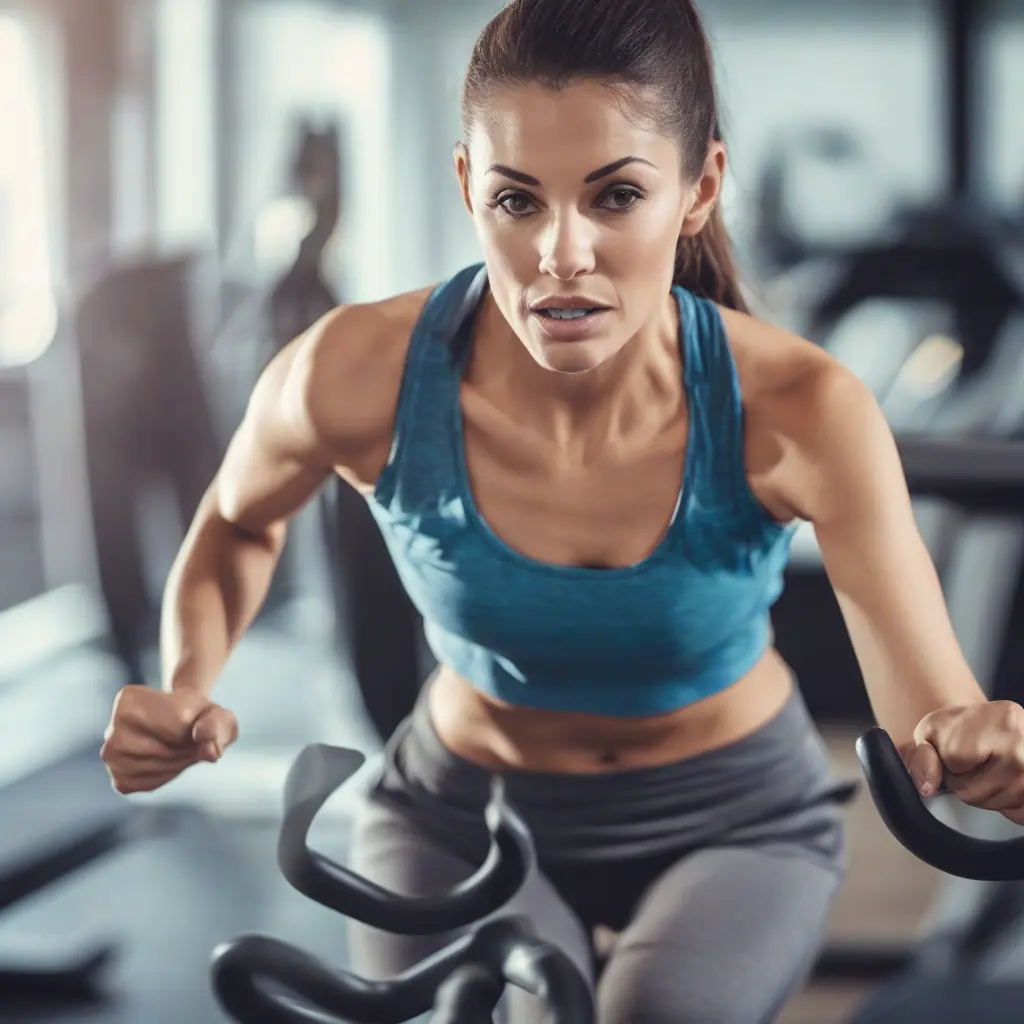
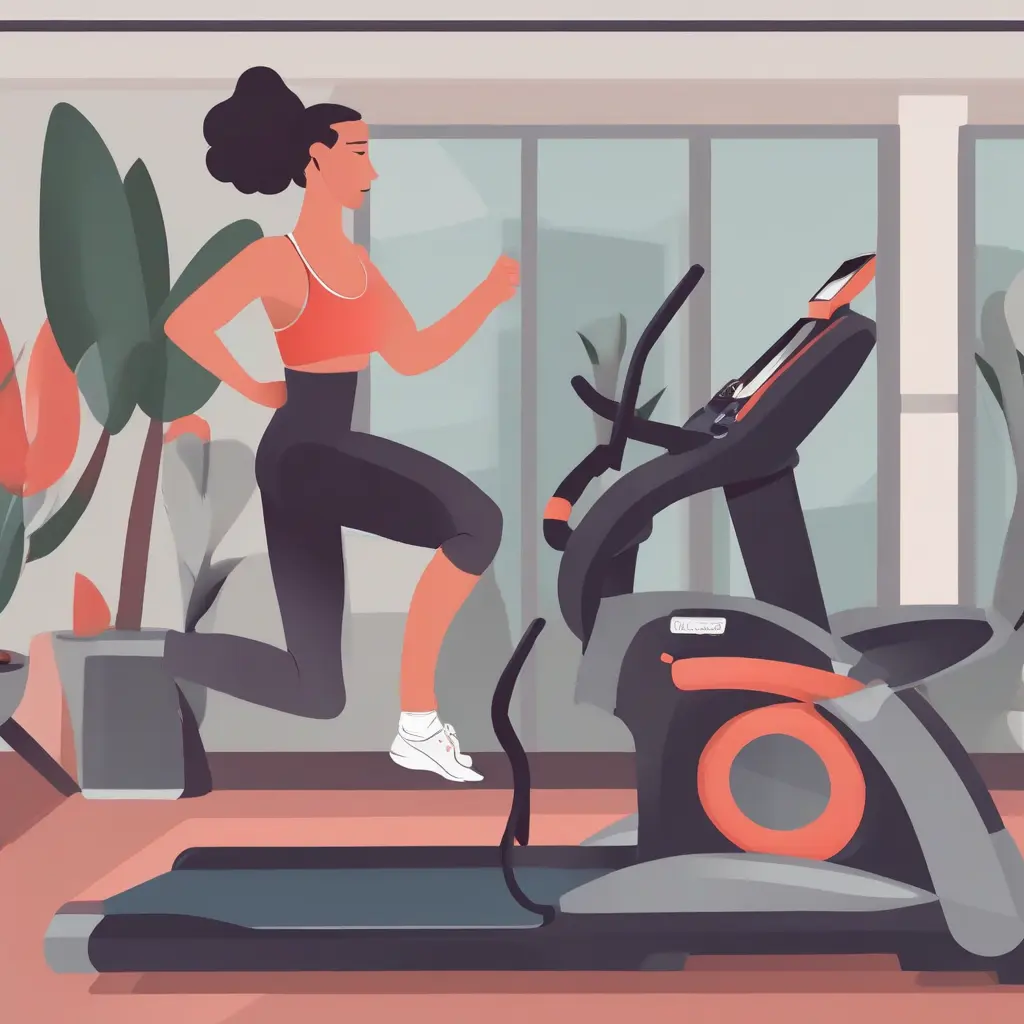
Different types of cardio equipment offer various workouts and benefits. Treadmills are versatile and mimic outdoor walking or running, allowing for adjustable speeds and incline settings. Stationary bikes provide a low-impact workout suitable for those with joint issues and are often used in spinning classes. Ellipticals combine elements of both walking and running while reducing impact on your joints. Rowing machines offer a full-body workout, effectively engaging both upper and lower body muscles. Understanding these differences can help you choose equipment that best fits your fitness preferences.
Check for Adjustable Settings
Adjustability features are crucial when selecting cardio equipment. Machines that offer adjustable settings, such as resistance levels, incline, or seat position, can provide a more tailored workout experience. This flexibility allows users of different fitness levels to progress over time. For example, a treadmill with adjustable incline settings can simulate hill running to challenge your stamina. Ensure the equipment you choose can cater to your evolving fitness needs, keeping your workouts engaging and effective as you advance in your fitness journey.
Prioritize Comfort and Safety
Comfort and safety are non-negotiable factors when selecting cardio equipment. Look for machines with ergonomic designs, cushioned grips, and adjustable seats to ensure a comfortable experience. Safety features, such as emergency stop buttons on treadmills, are vital for preventing accidents during workouts. Reading reviews and trying out machines in-store can help you assess comfort levels. By prioritizing safety and comfort, you increase the likelihood of maintaining a consistent workout routine, ultimately achieving your fitness goals.
Research Quality and Durability
The quality and durability of the cardio equipment are important considerations, as they directly affect the longevity of your investment. Look for machines with sturdy construction, high-quality materials, and reputable brand names. Checking online reviews and asking for recommendations can provide insight into the performance and durability of specific models. Equipment that can withstand regular use will save you money in the long run and keep your workouts consistent without breakdowns or repairs, ensuring a reliable workout experience.
Compare Prices and Budget
Setting a budget is essential when choosing cardio equipment, as prices can vary greatly depending on the machine type and brand. Compare different models and brands while considering the features you require. Don’t forget to account for potential additional costs such as maintenance and accessories. Sometimes, investing in higher-quality equipment may save you money in the long run due to fewer repairs and greater durability. By conducting thorough comparisons and establishing a budget, you will be better equipped to make an informed decision.
Look for Warranty and Support
When purchasing cardio equipment, it’s crucial to look for a warranty and customer support options. A reliable warranty can provide peace of mind since it covers repairs or product replacements within a specified timeframe. Additionally, consider brands that offer excellent customer support in case you encounter issues or have questions about your equipment. Understanding the warranty conditions and the support resources available can significantly enhance your overall purchasing experience and ensure you’ll have assistance when needed.
Assess Noise Levels
Noise levels are a significant consideration, particularly if you live in an apartment or share your space with others. Some machines, like high-quality stationary bikes and ellipticals, tend to operate more quietly than others, such as treadmills. Information about noise levels is often available in reviews and product descriptions. Opting for quieter equipment can allow you to work out without disturbing others in your household or affecting your concentration during exercise, making for a more enjoyable workout environment.
Choose Based on Your Preferences
Ultimately, the right cardio equipment boils down to your personal preferences. Consider what types of workouts you enjoy and think about the activities that motivate you. Some individuals might prefer the feel of a treadmill, while others may find satisfaction in cycling or rowing. Your likelihood of using the equipment consistently will increase if you choose something you genuinely enjoy. Making an informed decision that reflects your preferences will pave the way for a sustainable and enjoyable home workout routine.
Conclusion
Choosing the right cardio equipment for home workouts involves considering your fitness goals, available space, and personal preferences. By thoroughly evaluating different types of machines and their features, you can make an informed decision that aligns with your lifestyle. Prioritizing comfort, safety, and product quality while reviewing warranties and support options will ensure a satisfying workout experience. With the right equipment, you’ll be equipped to reach your fitness aspirations from the comfort of your home.