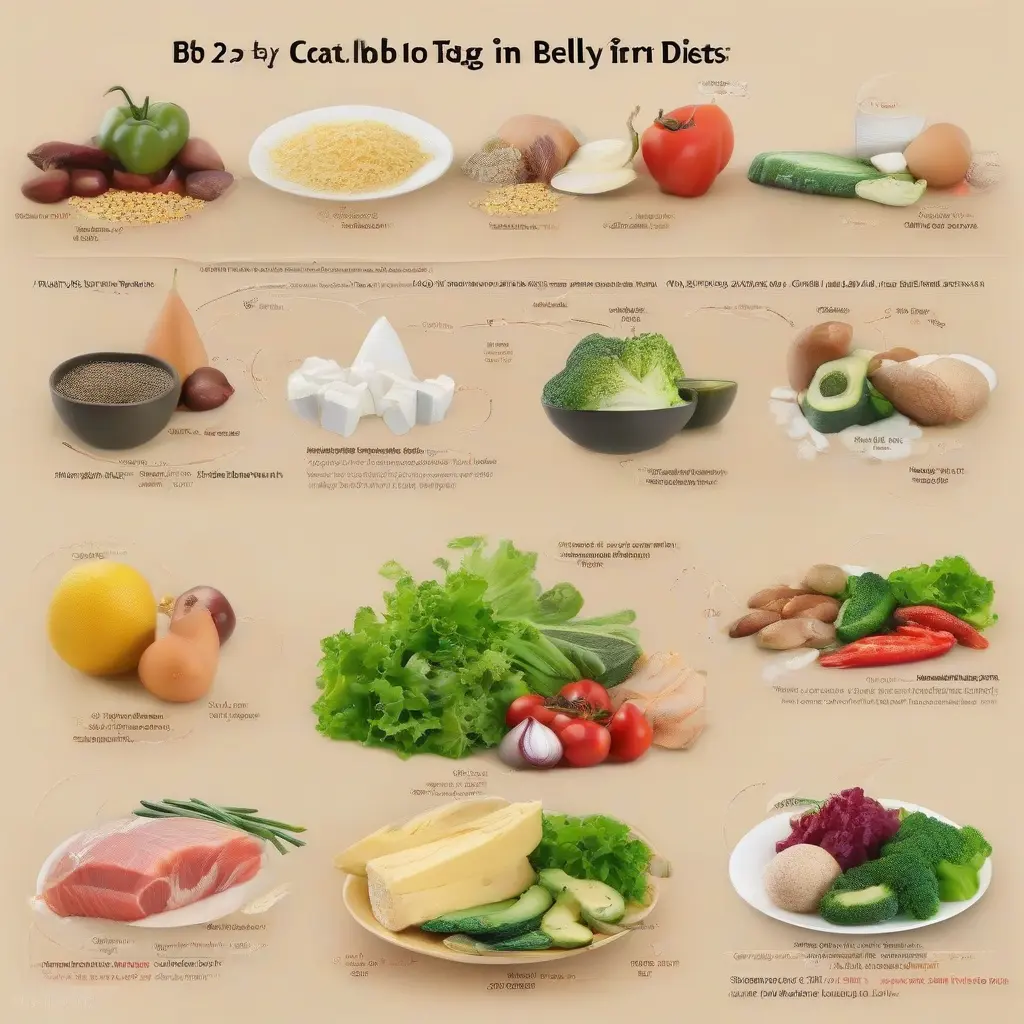
The relationship between gut health and belly fat reduction has garnered significant attention in recent years. A well-functioning gut plays a critical role in digestion, metabolism, and overall health, impacting weight management. Research indicates that an imbalance in gut bacteria, often referred to as dysbiosis, can contribute to increased abdominal fat. This article delves into how gut health affects belly fat, the importance of probiotics and prebiotics, and lifestyle changes that can promote both a healthier gut and reduced belly fat.
The Role of Gut Microbiota in Weight Management
Gut microbiota consists of trillions of microorganisms residing in the gastrointestinal tract, directly influencing metabolic processes. These microbes help digest food, synthesize essential nutrients, and regulate various bodily functions. Studies have shown that an imbalance in gut microbiota can lead to inflammation, which may contribute to weight gain, particularly in the abdominal area. A diverse and balanced gut microbiome is crucial for efficient metabolism and maintaining healthy body weight.
Inflammation and Belly Fat: What’s the Link?
Chronic inflammation is often linked to an unhealthy gut and can significantly impact belly fat accumulation. When the gut lining is compromised, it can allow toxins to leak into the bloodstream, triggering an inflammatory response. This inflammation can disrupt metabolic signals and promote fat storage, especially around the abdomen. Therefore, managing inflammation through dietary choices and lifestyle changes can be an effective strategy for reducing belly fat.
Probiotics: A Key to Better Gut Health
Probiotics are beneficial bacteria that can have positive effects on gut health and, consequently, weight management. Incorporating probiotic-rich foods like yogurt, kefir, and fermented vegetables can improve gut microbiota composition. Research suggests that regular intake of probiotics may help in reducing body weight and waist circumference. This is primarily due to their ability to enhance digestion, reduce inflammation, and even influence appetite regulation.
Prebiotics: Fueling Your Gut’s Health
Prebiotics are non-digestible fibers that act as food for beneficial gut bacteria. Consuming prebiotic-rich foods such as garlic, onions, bananas, and asparagus can promote the growth of healthy gut microbiota. This, in turn, helps support weight reduction efforts. Prebiotics can enhance gut barrier function and reduce inflammation, creating an optimal environment for fat metabolism. Adding more prebiotic foods to your diet can lead to better gut health and aid in belly fat reduction.
Dietary Approaches for Gut Health and Fat Loss
Adopting a balanced diet is crucial for fostering gut health and reducing belly fat. Emphasizing whole foods—fruits, vegetables, whole grains, and lean proteins—can support a healthy gut microbiome. Additionally, minimizing processed foods, sugars, and unhealthy fats can decrease gut inflammation. By focusing on nourishing your body with wholesome, nutrient-dense foods, you can create a sustainable dietary pattern that benefits both gut health and weight management.
The Impact of Stress on Gut and Weight
Stress can negatively affect both gut health and belly fat accumulation. When stressed, the body releases cortisol, a hormone that can increase appetite and cravings for unhealthy foods. This hormonal imbalance can result in overeating and weight gain, particularly around the midsection. Implementing stress-reduction techniques such as mindfulness, exercise, and adequate sleep can contribute to better gut health and support belly fat reduction strategies.
The Importance of Hydration
Adequate hydration is essential for maintaining a healthy gut and promoting weight loss. Water aids in digestion, nutrient absorption, and waste elimination. Staying hydrated can also help curb unnecessary food cravings, which can lead to reduced calorie intake. Including water-rich foods like fruits and vegetables in your diet can provide hydration benefits while contributing to gut health. Focusing on proper hydration can be a simple yet effective way to support both your gut and weight management efforts.
Exercise and Its Role in Gut Health and Fat Loss
Regular physical activity plays a vital role in enhancing both gut health and belly fat reduction. Exercise can stimulate the growth of beneficial gut bacteria, improving microbiota diversity. Furthermore, physical activity supports metabolic health by burning calories, aiding in weight management. A combination of aerobic and strength training exercises can optimize overall health, including gut function, making it a crucial aspect of any weight loss strategy.
Sleep: An Underestimated Factor in Gut Health
Quality sleep is often overlooked but is crucial for maintaining gut health and managing weight. Poor sleep habits can disrupt hormone levels that regulate appetite and metabolism, potentially leading to increased belly fat. Ensuring adequate and restful sleep promotes hormonal balance and gut health. Developing a consistent sleep routine and creating a restful environment can significantly improve your gut health and help with weight reduction strategies.
Conclusion
Understanding the connection between gut health and belly fat reduction highlights the importance of holistic lifestyle changes. By focusing on dietary choices, stress management, hydration, exercise, and quality sleep, you can foster a healthier gut environment that supports effective weight management. Emphasizing gut health not only helps in reducing belly fat but also promotes overall well-being, making it a vital aspect of any health journey.