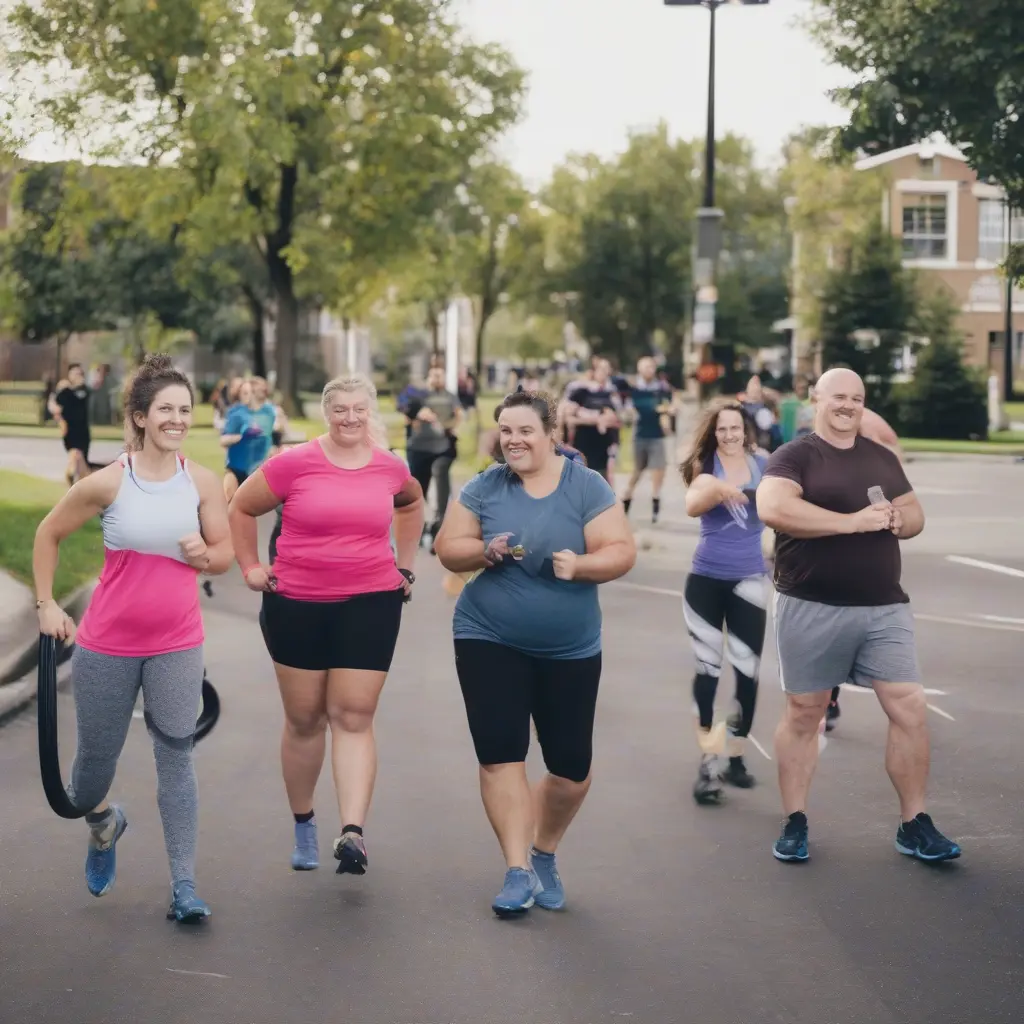
Incorporating mindfulness into your cardio workouts can significantly enhance your overall fitness experience. While traditional cardio focuses on physical endurance, adding mindfulness practices brings a new layer of awareness, helping you to connect your mind and body. This holistic approach not only improves your workout performance but also promotes mental clarity and emotional well-being. Whether you’re running, cycling, or using an elliptical, being present during your cardio can lead to more effective and enjoyable sessions. This article explores various mindfulness techniques you can easily integrate into your cardio routine.
Understanding Mindfulness in Physical Activity
Mindfulness is the practice of being fully present and engaged in the moment, which can significantly support your cardio exercises. By focusing on your breathing patterns, bodily sensations, and thoughts, you create a more conscious engagement with your workout. This awareness can transform mundane routines into more enriching experiences, helping you realize your body’s limits and capabilities. Practicing mindfulness in physical activity allows you to cultivate a deeper understanding of your body, enhancing both performance and enjoyment during cardio sessions.
Benefits of Mindfulness in Cardio Workouts
Integrating mindfulness practices into your cardio workouts offers numerous benefits. First, it can lead to improved focus, allowing you to concentrate on your movements and form, thus reducing the risk of injury. Additionally, mindfulness can lower stress and anxiety by promoting relaxation during workouts, making them more enjoyable. Improved emotional well-being can also encourage adherence to an exercise routine. Research has shown that those who practice mindfulness are more likely to maintain their workout schedules consistently, ultimately helping reach fitness goals faster.
Techniques for Mindful Breathing
Mindful breathing is a foundational technique that can be easily incorporated into cardio workouts. By focusing on your breath during exercise, you can maintain a steady rhythm while enhancing your performance. To practice mindful breathing, focus on inhaling deeply through your nose, allowing your abdomen to rise, and exhaling slowly through your mouth. Synchronizing your breath with your movements can increase endurance and concentration while providing a calming effect that reduces distractions. This practice not only aids in maintaining energy levels but also enhances your overall cardio experience.
Visualizing Your Goals
Visualization is another powerful mindfulness technique that can enhance your cardio workouts. By mentally picturing your fitness goals, such as completing a certain distance or achieving a personal best time, you create a mental roadmap to success. During your workouts, spend a few moments visualizing each step you need to take to reach those goals. This technique boosts motivation and confidence, making your workouts more meaningful. The mental engagement can help transform your cardio sessions from a simple exercise into a focused pursuit of your personal fitness aspirations.
Listening to Your Body
Being mindful during workouts also means tuning into your body’s signals. Pay attention to fluctuations in energy, discomfort, or pain as you exercise. This awareness allows you to adjust your pace or intensity based on how you feel, potentially preventing injuries. Listening to your body encourages a sustainable approach to fitness, allowing you to honor your limits rather than push through pain. By respecting what your body is communicating, you’ll likely experience a more rewarding cardio workout that encourages long-term adherence to your fitness routine.
Incorporating Mindful Walking or Jogging
Mindful walking or jogging is an excellent way to engage with your environment while getting your cardio exercise. As you stroll or run, focus on the sensations of your feet hitting the ground, the rhythm of your breath, and the sights and sounds around you. This sensory experience cultivates a deeper connection to your surroundings, shifting your mindset from distraction to presence. By appreciating the moment, you may find greater enjoyment in your workout, while also enhancing your overall cardio effectiveness.
Using Music as a Mindfulness Tool
Music can serve as an excellent accompaniment to mindfulness practices during cardio workouts. Choose songs that resonate with you and allow yourself to fully immerse in the rhythm and lyrics. Pay attention to how the music affects your movements and mood, creating a soothing atmosphere that enhances your experience. Music not only elevates your workout performance but can also help maintain your focus and enjoyment. This connection to sound fosters an enriching cardio environment where mindfulness and movement harmoniously coexist.
Creating a Mindfulness Routine
Developing a mindfulness routine is key to successfully incorporating these practices into your cardio workouts. Start by designating specific times during your workouts to focus on mindfulness, whether it’s during warm-ups or cool-downs. Gradually include techniques such as deep breathing, visualization, or body awareness throughout your sessions. Consistency is essential for forming new habits, so consider keeping a journal to track your progress and reflect on how mindfulness enhances your workouts. Creating a routine ensures that mindfulness becomes an integral part of your exercise experience, leading to improved results.
Overcoming Mindfulness Challenges
Many individuals encounter challenges when trying to incorporate mindfulness into their cardio routines. Common obstacles include distractions from external stimuli, racing thoughts, or even boredom. To overcome these challenges, start small with brief mindfulness sessions, gradually increasing their duration as you become more comfortable. Engage in activities that capture your interest, such as nature walks, vibrant workouts, or varied music playlists. By addressing obstacles proactively, you can establish a more consistent mindfulness practice that enhances your overall workout experience.
Conclusion
Incorporating mindfulness practices into your cardio workouts can profoundly change not only how you exercise but also how you perceive your fitness journey. By merging physical activity with mental presence, you can enhance focus, reduce stress, and optimize performance benefits. The techniques discussed, such as mindful breathing, visualization, and body awareness, encourage a deeper connection to your workout, promoting a sustainable approach to fitness. Embracing mindfulness in your cardio routine ultimately leads to a more fulfilling and balanced lifestyle.