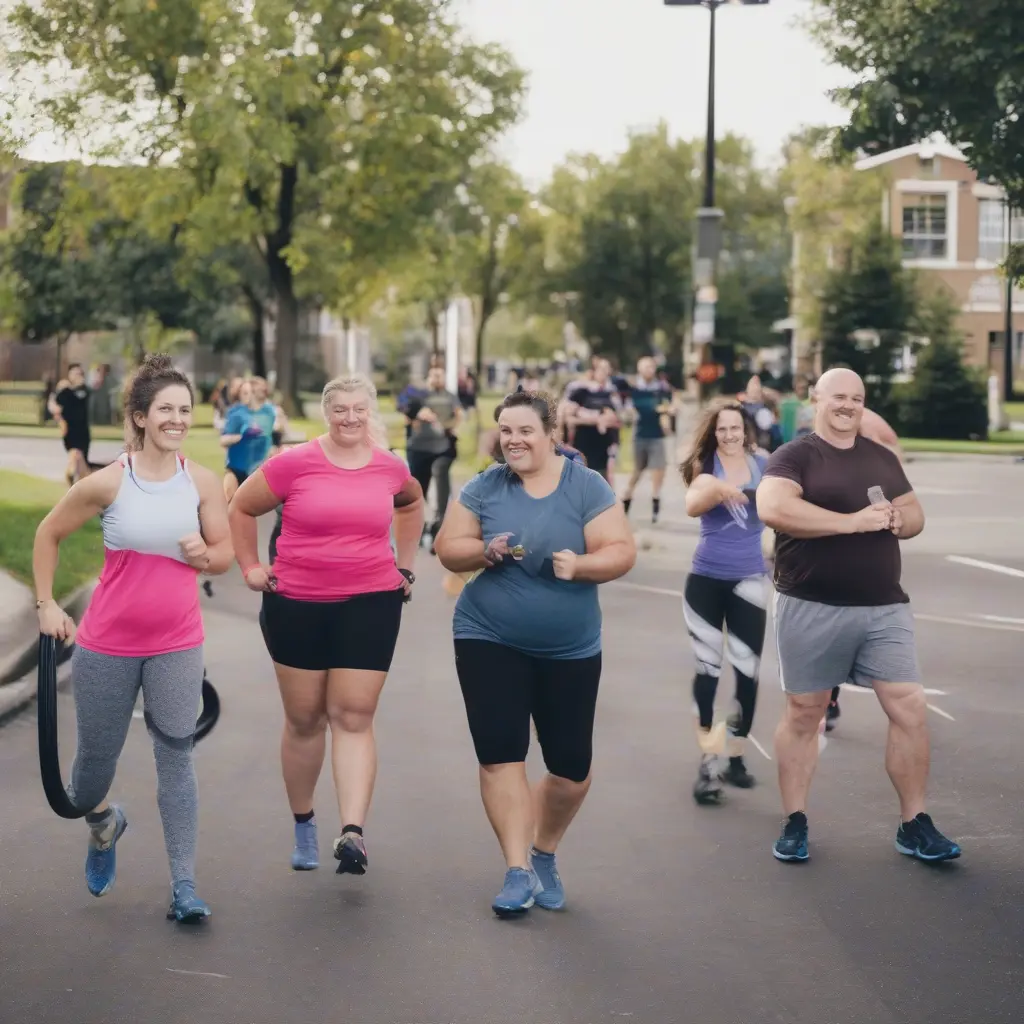
Cardiovascular exercises, commonly known as cardio, play a crucial role in achieving various fitness goals. Whether one aims to lose weight, enhance endurance, or improve overall health, understanding the function of cardio can provide tailored insights. Cardio exercises help burn calories and increase heart rate, making them essential for weight management. Additionally, they contribute to cardiovascular health and stamina, vital for long-term fitness success. This article explores the importance of cardio in relation to different fitness objectives, offering a clearer view of how to leverage these workouts effectively.
The Importance of Cardio for Weight Loss
For individuals aiming for weight loss, cardiovascular workouts are indispensable. These exercises, such as running, cycling, and swimming, are effective in creating a calorie deficit, essential for shedding pounds. Engaging in regular cardio increases the body’s metabolic rate, allowing for more calories burned during and after workouts. Moreover, it helps in reducing body fat while preserving lean muscle mass, which is crucial for maintaining a healthy metabolism. Incorporating a variety of cardio workouts can enhance motivation and prevent plateaus, making the weight loss journey more sustainable.
Building Endurance Through Cardiovascular Training
Endurance is vital for athletes and fitness enthusiasts aiming to improve their performance in various sports. Cardio exercises like long-distance running, cycling, and rowing build both aerobic and anaerobic capacities, enhancing stamina over time. As you consistently push your limits through longer and more intense workouts, your body adapts, enabling you to sustain exercise for extended periods. This adaptation not only boosts performance in sports but also improves daily activities, making them feel less exhausting. The gradual progression in cardio intensity is key to effectively building endurance without risking injury.
Cardio for Heart Health
Engaging in regular cardiovascular workouts is vital for maintaining heart health. These exercises promote improved circulation, lower blood pressure, and reduce cholesterol levels. By enhancing the efficiency of the heart and lungs, cardio diminishes the risks associated with heart disease, obesity, and diabetes. The American Heart Association recommends at least 150 minutes of moderate-intensity exercise or 75 minutes of vigorous-intensity exercise per week for optimal cardiovascular health. This can be achieved through a variety of enjoyable activities, encouraging lifelong participation in heart-healthy behaviors.
The Role of High-Intensity Interval Training (HIIT)
High-Intensity Interval Training (HIIT) has gained popularity for its effectiveness in cardiovascular fitness and weight loss. This approach alternates short bursts of intense activity with periods of lower intensity or rest, maximizing calorie burn in a shorter timeframe. HIIT workouts can be tailored to individual fitness levels, making them accessible yet challenging. The benefits include improved aerobic capacity, increased metabolism, and enhanced fat oxidation. By incorporating HIIT into a routine, individuals can experience significant results without spending excessive time on traditional cardio exercises.
Cardio and Mental Health Benefits
Cardiovascular exercise is not only beneficial for physical health but also plays a significant role in enhancing mental well-being. Engaging in regular cardio releases endorphins, often referred to as the ‘feel-good’ hormones. This natural mood boost can alleviate symptoms of anxiety and depression, contributing to improved overall mental health. Additionally, the meditative aspect of rhythmic movements in cardio helps reduce stress and enhances focus. Those who incorporate cardio into their fitness routines often report greater emotional resilience and improved quality of life.
Choosing the Right Cardiovascular Exercise
Selecting the right cardiovascular exercise is vital for achieving specific fitness goals and ensuring enjoyment. Options include steady-state workouts like jogging, cycling, or swimming, as well as more dynamic sessions like dance classes or kickboxing. Each type of exercise has distinct benefits, from improving endurance to maximizing calorie burn. It’s essential to consider personal preferences and physical limitations when choosing a cardio modality. Mixing different forms of cardio can prevent boredom, target various muscle groups, and create a well-rounded fitness plan that is both effective and enjoyable.
The Impact of Recovery on Cardio Performance
Recovery is often overlooked but is crucial for optimizing the benefits of cardiovascular workouts. Sufficient rest allows muscles to repair and strengthens endurance, ultimately enhancing performance. Incorporating rest days and low-impact activities can help prevent overtraining, reduce the risk of injury, and improve overall fitness progress. Hydration and nutrition also play vital roles in recovery, ensuring that the body has ample nutrients to rebuild and replenish energy stores. Understanding the balance between training and recovery can lead to improved performance and sustainable fitness outcomes.
Integrating Cardio with Strength Training
Integrating cardiovascular exercise with strength training creates a balanced fitness regimen that enhances overall health. While cardio improves cardiovascular endurance, strength training builds muscular strength and bone density. Combining both allows individuals to enhance calorie burning and efficiently build lean muscle mass. This can lead to a higher resting metabolic rate, enabling continued fat loss even when not exercising. Scheduling workouts in a way that alternates cardio and strength training fosters optimal recovery while ensuring comprehensive fitness development over time.
Conclusion
Understanding the role of cardio in various fitness goals is crucial for optimizing health and performance. Whether focusing on weight loss, endurance, heart health, or overall wellbeing, tailoring cardiovascular workouts to specific objectives maximizes effectiveness. By incorporating a variety of cardio methods, considering recovery, and blending different fitness modalities, individuals can achieve their desired outcomes while enjoying the journey toward better fitness and health.