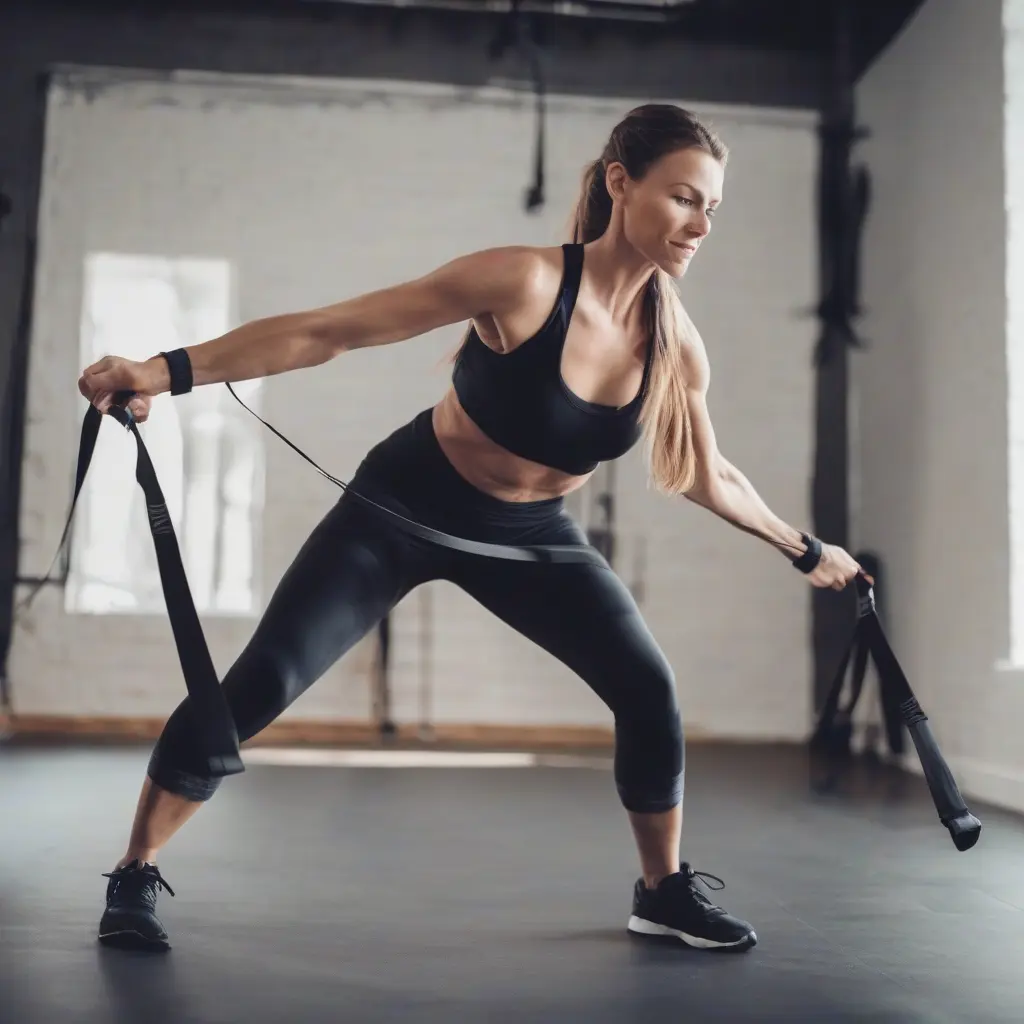
Incorporating resistance bands into your fitness routine can significantly enhance your fat loss efforts. These versatile tools allow for a wide range of exercises that target multiple muscle groups, improving strength, stamina, and metabolic rate. Whether you’re a beginner or an experienced athlete, resistance bands offer an efficient and effective way to maximize fat burning. Their compact size makes them perfect for home workouts, outdoor activities, or traveling. Discover how to properly use resistance bands to achieve your fat loss goals through a variety of exercises tailored to different needs and preferences.
Understanding Resistance Bands
Resistance bands come in various sizes, colors, and tension levels, allowing users to choose the appropriate resistance based on their fitness level. Typically made from latex or rubber, these bands provide a consistent form of resistance, which can be beneficial for enhancing strength and flexibility. When using resistance bands, it’s essential to become familiar with their different types—flat bands, loop bands, and tube bands, among others—each serving distinct purposes in your workout. Understanding these nuances is crucial for effectively integrating them into your fat loss regimen.
Benefits of Using Resistance Bands for Fat Loss
One of the primary benefits of resistance bands is their ability to enhance metabolic rate, which plays a significant role in fat loss. With the continuous tension they provide, bands keep muscles engaged throughout the movement, prompting additional calorie expenditure. Furthermore, resistance bands can improve muscle tone and strength, which is vital for increasing overall metabolism. That means as you build more muscle mass, your body burns more calories, even at rest. These factors combined create an effective workout tool for anyone aiming to shed fat and enhance fitness.
Effective Fat Loss Exercises with Resistance Bands
There are numerous effective fat loss exercises that you can perform using resistance bands. Some popular options include squats, deadlifts, and chest presses, each targeting essential muscle groups. For instance, resistance band squats can engage the thighs and glutes while simultaneously improving balance and coordination. Similarly, chest presses with bands help build upper body strength, crucial for increasing caloric burn. Incorporating a variety of these movements into a structured workout routine can significantly boost overall fat loss results.
Incorporating Resistance Bands into Your Routine
To effectively integrate resistance bands into your fitness routine, start by determining your current fitness level and goals. Begin with basic exercises, progressively adding combinations or more complex moves as your strength improves. A well-designed workout plan might include sessions that alternate between resistance band workouts and cardiovascular training, like running or cycling. This balanced approach can maximize fat loss while promoting overall fitness. Commit to consistency, and track your progress regularly to stay motivated and ensure you’re moving towards your fat loss goals.
Targeting Different Muscle Groups
To achieve effective fat loss, it’s essential to target different muscle groups, and resistance bands allow for this adaptability. You can isolate upper body muscles with banded rows and push-ups while working on your lower body through lunges and leg extensions. Core exercises such as banded Russian twists can enhance stability and strength. Incorporating a full-body approach not only diversifies your workouts but also ensures you engage multiple areas of your body, which maximizes caloric burn and contributes to fat loss.
Safety Tips When Using Resistance Bands
While resistance bands are generally safe, using them correctly is crucial to prevent injuries. Ensure you inspect the bands for any signs of wear and tear before each use. Always anchor the bands properly to avoid accidents, and maintain a controlled motion throughout each exercise to reduce the risk of injury. It’s also advisable to start with lighter resistance and gradually increase the tension as your strength develops. Following these safety tips ensures that you can effectively and safely use resistance bands for your fat loss journey.
Creating a Fat Loss Workout Plan
Crafting a well-rounded fat loss workout plan with resistance bands requires careful consideration of your goals, fitness level, and schedule. A balanced plan should feature a combination of strength training, flexibility work, and cardiovascular pursuits. For example, you might alternate between circuit training using resistance bands and high-intensity interval training (HIIT) days. Aim for at least 150 minutes of moderate intensity each week. Staying organized and accountable will not only enhance your commitment but also yield better fat loss results over time.
Monitoring Your Progress
Tracking your progress is essential in any fat loss journey, and resistance bands are no exception. Keep a detailed log of the exercises performed, resistance levels used, and any improvements in your repetitions or sets. Regularly assessing your fitness levels and body measurements can help you stay motivated and make any necessary adjustments to your regimen. Additionally, taking progress photos can provide a visual motivator as you witness changes over time. Being aware of what works for you will ultimately guide you towards achieving your fat loss goals.
Conclusion
In conclusion, resistance bands are an excellent addition to any fat loss exercise regimen due to their versatility, effectiveness, and ease of use. By incorporating a variety of exercises targeting different muscle groups, you can significantly enhance your fat loss and fitness levels. Consistency, proper technique, and a well-structured workout plan will maximize your results. With the right approach, resistance bands can help you achieve your fitness goals, leading to improved health and well-being.