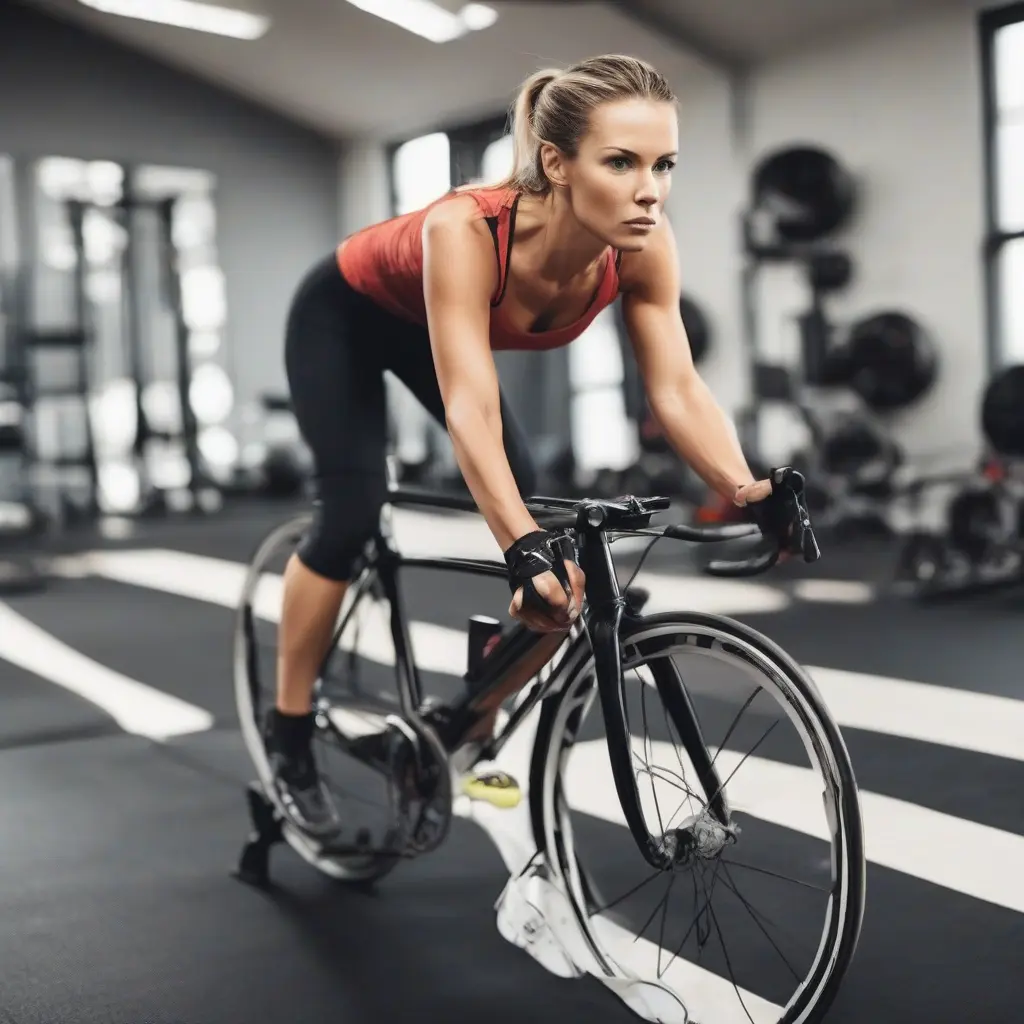
Cycling is an excellent way to enhance endurance and promote fat loss, but integrating specific fat loss exercises can significantly optimize results. By focusing on building strength while maintaining stamina, cyclists can lose weight effectively and improve their performance on the bike. Consistent training, combined with proper nutrition, becomes essential for achieving these goals. This article explores various fat loss exercises specifically designed for cyclists, emphasizing their role in enhancing both strength and endurance.
The Importance of Strength Training for Cyclists
Strength training is vital for cyclists as it builds the muscles necessary to sustain longer rides and tackle varied terrains. By enhancing muscle strength, cyclists can improve their power output and efficiency, allowing them to ride harder with less fatigue. Integrating strength exercises helps in injury prevention, balances muscle development, and can accelerate fat loss by increasing the metabolic rate. In essence, a well-rounded training program that includes strength training is fundamental for cyclists looking to optimize their performance and promote fat loss.
High-Intensity Interval Training (HIIT)
High-Intensity Interval Training (HIIT) is particularly effective for cyclists aiming to increase fat loss while enhancing cardiovascular fitness. This training method involves alternating between intense bursts of activity and short recovery periods, maximizing caloric burn and boosting metabolism even post-exercise. Cyclists can incorporate HIIT sessions through structured workouts, such as riding at maximum effort for 30 seconds followed by one minute of easier cycling. This approach not only accelerates fat loss but also improves speed and endurance, crucial for competitive cyclists.
Compound Exercises for Overall Strength
Incorporating compound exercises into a cyclist’s routine is beneficial for building overall strength. These exercises, which engage multiple muscle groups, can lead to improved cycling performance. Movements such as squats, deadlifts, and bench presses aid in increasing the overall strength necessary to power through demanding rides. By integrating these compound movements into strength training sessions, cyclists can enhance their muscular endurance and promote greater fat loss, making workouts more efficient and effective.
Core Strength and Stability
Developing core strength is crucial for cyclists as it enhances balance, stability, and overall riding efficiency. A strong core helps maintain proper posture during long rides and can prevent injuries associated with weak abdominal and back muscles. Exercises like planks, Russian twists, and bicycle crunches not only strengthen the core but also aid in fat loss. By incorporating core workouts into regular training, cyclists can attain better performance through improved power transfer and energy conservation on the bike.
Cycling-Specific Drills
Cycling-specific drills are tailored exercises that focus on the movement patterns and muscle groups utilized during cycling. These drills can enhance fat loss while improving cycling technique. Examples include hill repeats, sprint intervals, and tempo rides, which challenge different muscle fibers and cardiovascular systems. By systematically incorporating these drills into training, cyclists can maximize their endurance, refine their cycling form, and create an effective fat-burning workout that is directly applicable to their cycling performance.
Flexibility and Mobility Exercises
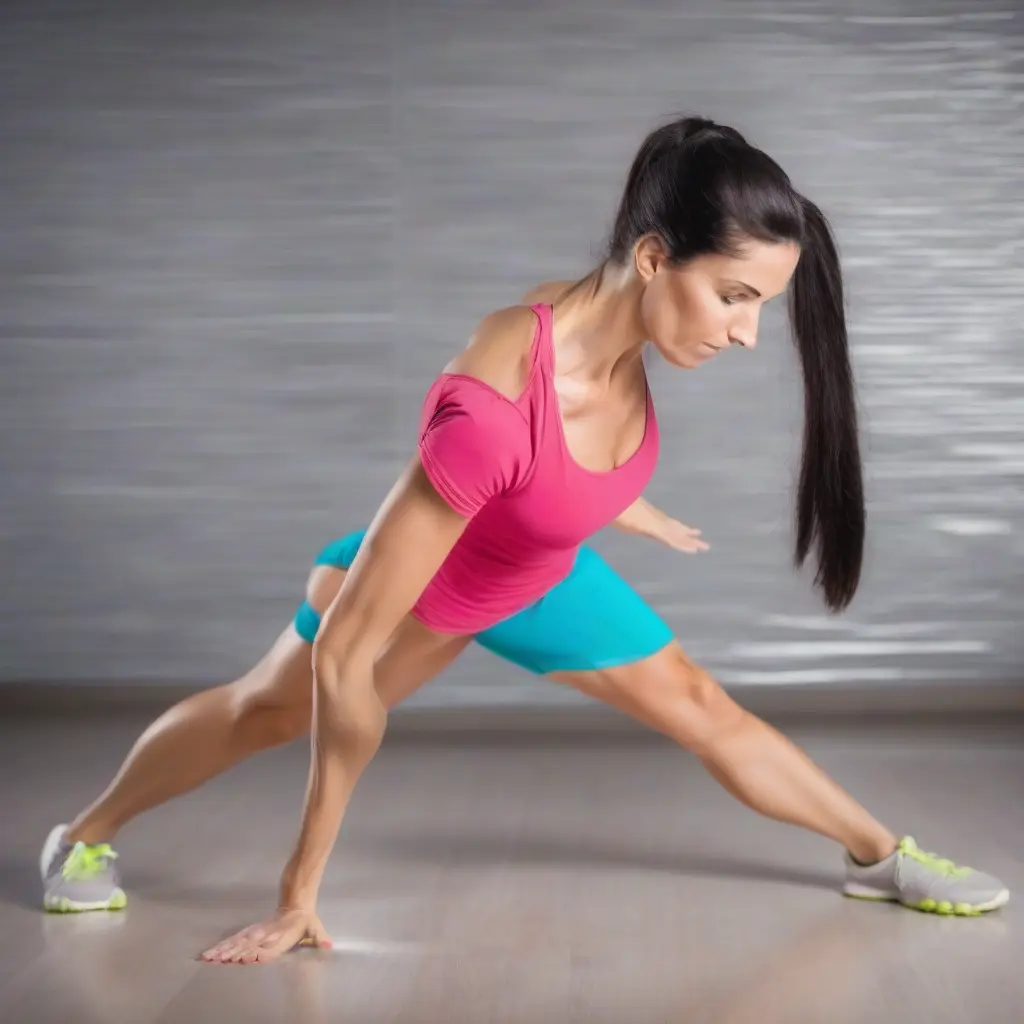
Flexibility and mobility exercises are often overlooked but are crucial for cyclists looking to optimize performance and prevent injuries. Regular stretching routines not only enhance muscle recovery but also improve overall movement efficiency. Techniques such as dynamic stretching before rides and static stretching afterward help maintain good range of motion in joints. By prioritizing flexibility, cyclists can achieve better posture on the bike, reducing the risk of discomfort and enabling a more effective transfer of power.
Nutrition’s Role in Fat Loss for Cyclists
Nutrition plays a pivotal role in achieving fat loss for cyclists. A balanced diet that includes the right ratios of carbohydrates, proteins, and fats is essential for fueling rides and recovering thereafter. Emphasizing whole, nutrient-dense foods can help cyclists maintain energy levels while promoting fat loss. Additionally, understanding calorie intake versus expenditure is crucial; cyclists should aim for a slightly negative caloric balance to stimulate fat loss, while ensuring they have enough fuel for optimal performance.
Setting Realistic Goals
Setting realistic goals is crucial for cyclists embarking on a fat loss journey. It is essential to create achievable milestones that align with overall fitness objectives. These goals can include specific weight loss targets, increased cycling distance, or improved ride times. Regularly evaluating progress and being flexible with goals can enhance motivation and sustainability in a cyclist’s training regimen. Establishing small, incremental changes ensures a focused approach to fat loss while allowing room for adjustments as needed.
Tracking Progress and Performance
Tracking progress is vital for cyclists pursuing fat loss, as it helps maintain focus and accountability. Utilizing tools like cycling apps, heart rate monitors, or journals can aid in logging workout intensity, duration, and dietary habits. This enables cyclists to analyze which strategies yield the best results, adapting their training and nutrition plans as necessary. Meticulous tracking not only fosters a better understanding of individual needs but also cultivates a sense of accomplishment as cyclists witness their improvements over time.
Conclusion
Incorporating targeted fat loss exercises into a cyclist’s training regimen can lead to significant improvements in strength and endurance. By emphasizing strength training, HIIT, and cycling-specific drills, cyclists can optimize their performance while shedding excess weight. Couple these exercises with proper nutrition and goal setting to see lasting results. With commitment and the right approach, cyclists can achieve their fitness goals, enhancing not only their cycling experience but overall health.